Tested Boogu-Image-0.1 on an M1 Max 64GB ComfyUI: the fp8 build is rejected by MPS, so bf16 is mandatory, and Turbo runs ~70s per 1024px image. Notes on photoreal vs anime, bilingual text, and where NSFW stops.
Tested on M1 Max ComfyUI: newly free JANIMA vs Hexer Minimal Toon Anima V1 vs anima-base, one character LoRA, same seed. Hexer keeps the outfit; JANIMA adds clothes but draws the quietest backgrounds.
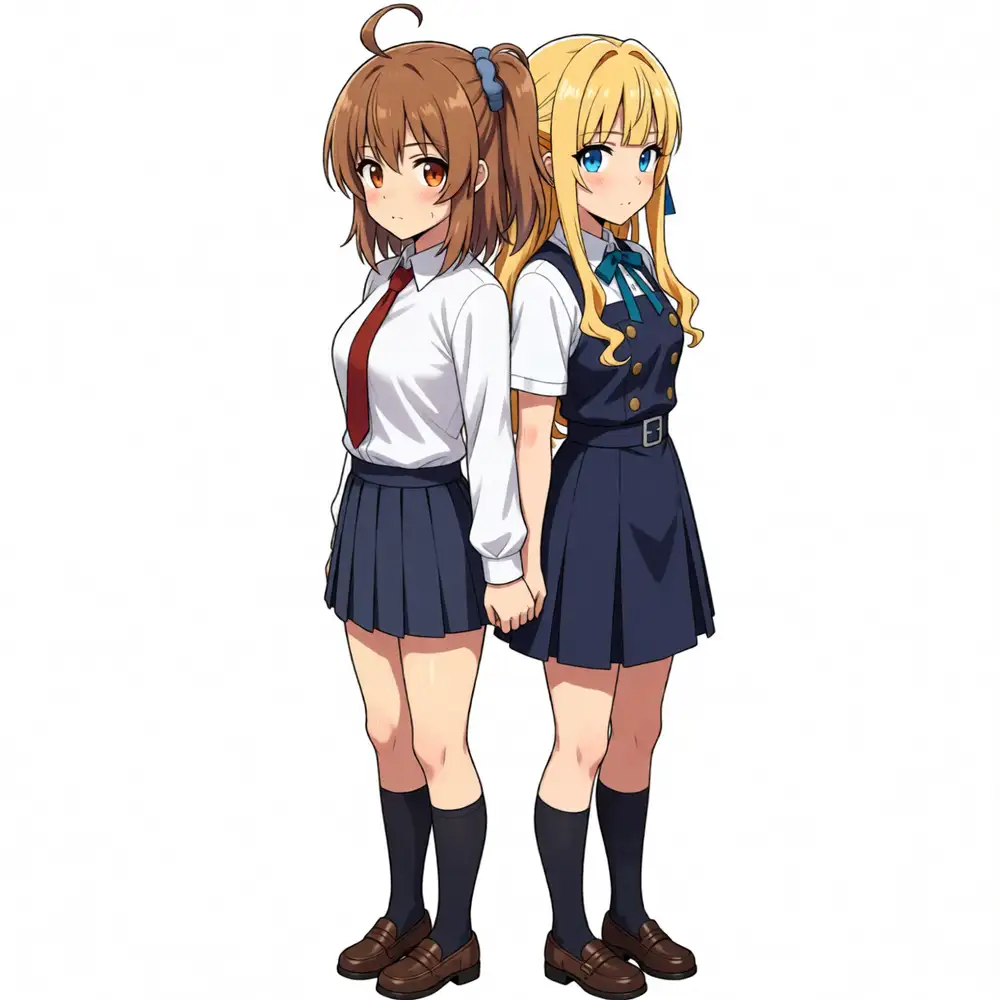
rank128 + 20 two-character images killed the v1 ahoge bleed and body fusion on this Anima dual-character LoRA. Lap-sit stays a Qwen3 text-encoder limit; sweet spot is ep140.
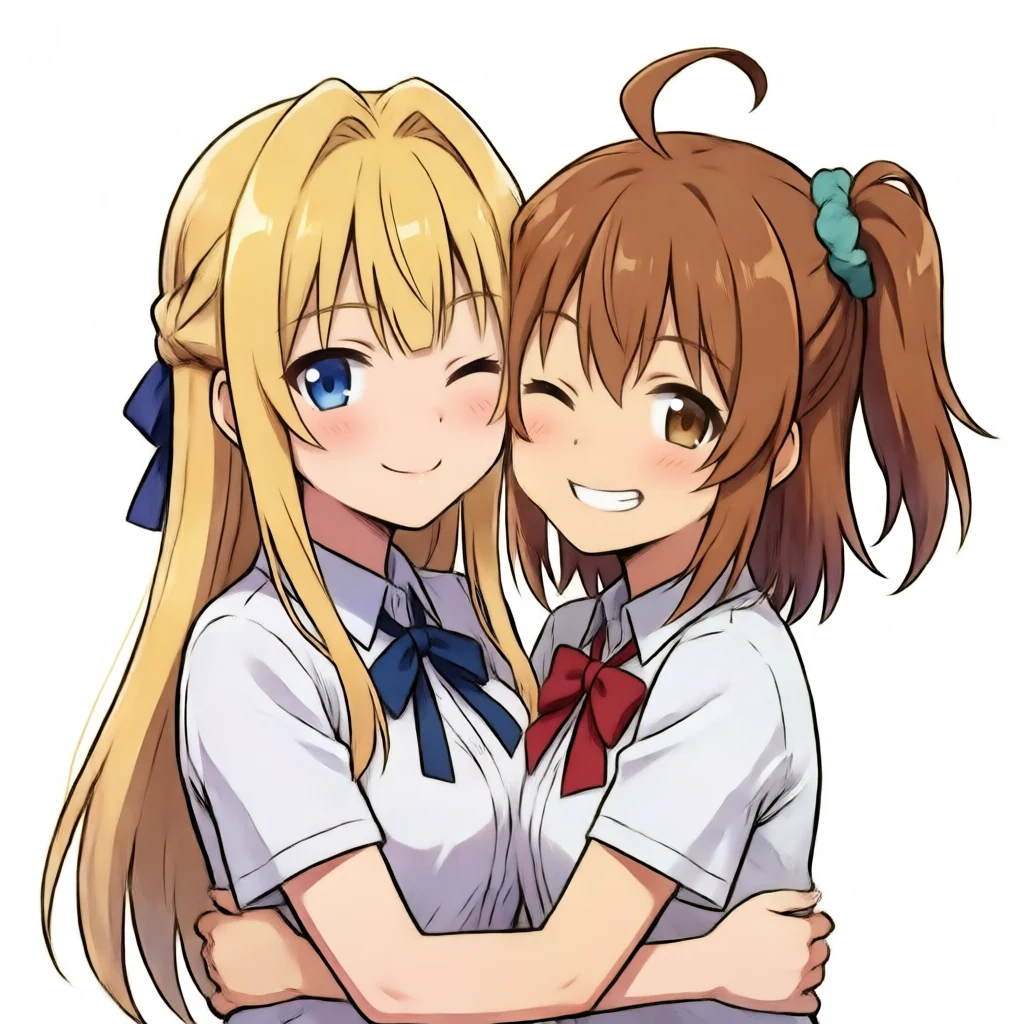
One Anima (Qwen-Image DiT) LoRA, two characters, trained on RunPod: can they touch? Hugs and piggyback hold, lap-sit fuses; stacked limbs survive, interleaved break. Best at ep100, Turbo.
Hexer Minimal Toon's new Anima V1 is a DiT checkpoint, not an SDXL one: 4.1GB bf16, separate VAE/text-encoder ComfyUI folders, Anima-only LoRA, and a non-commercial license the Civitai page doesn't show. What changes vs Illustrious v3.1 before you load it.
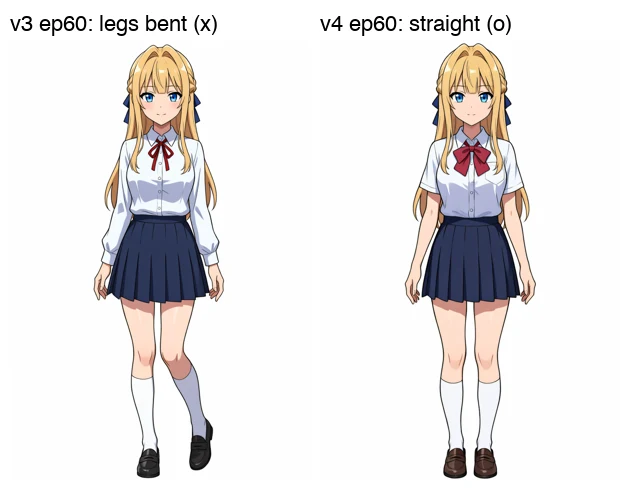
On Anima-Base, my character LoRA bent its legs even on standing. Adding upright references didn't fix it; cutting 36 posed full-body images did. Subtract, don't add.
Rebaked a WAI-Anima character LoRA onto upstream Anima-Base with off-distribution Gemini data. Trigger-only usable, face fidelity beats v1, intakes still cap out.
Tested on M1 Max 64GB ComfyUI: one character LoRA across 6 Anima derivatives, same prompt/seed. Trigger-only never stabilizes, RDBT bolts to beast-ears, structure tags fix it.
Anima is a Cosmos-based DiT, not SDXL, so one Anima LoRA loads on every derivative checkpoint. 20+ CivitAI Anima models sorted by type, aesthetic, and prompt adherence.
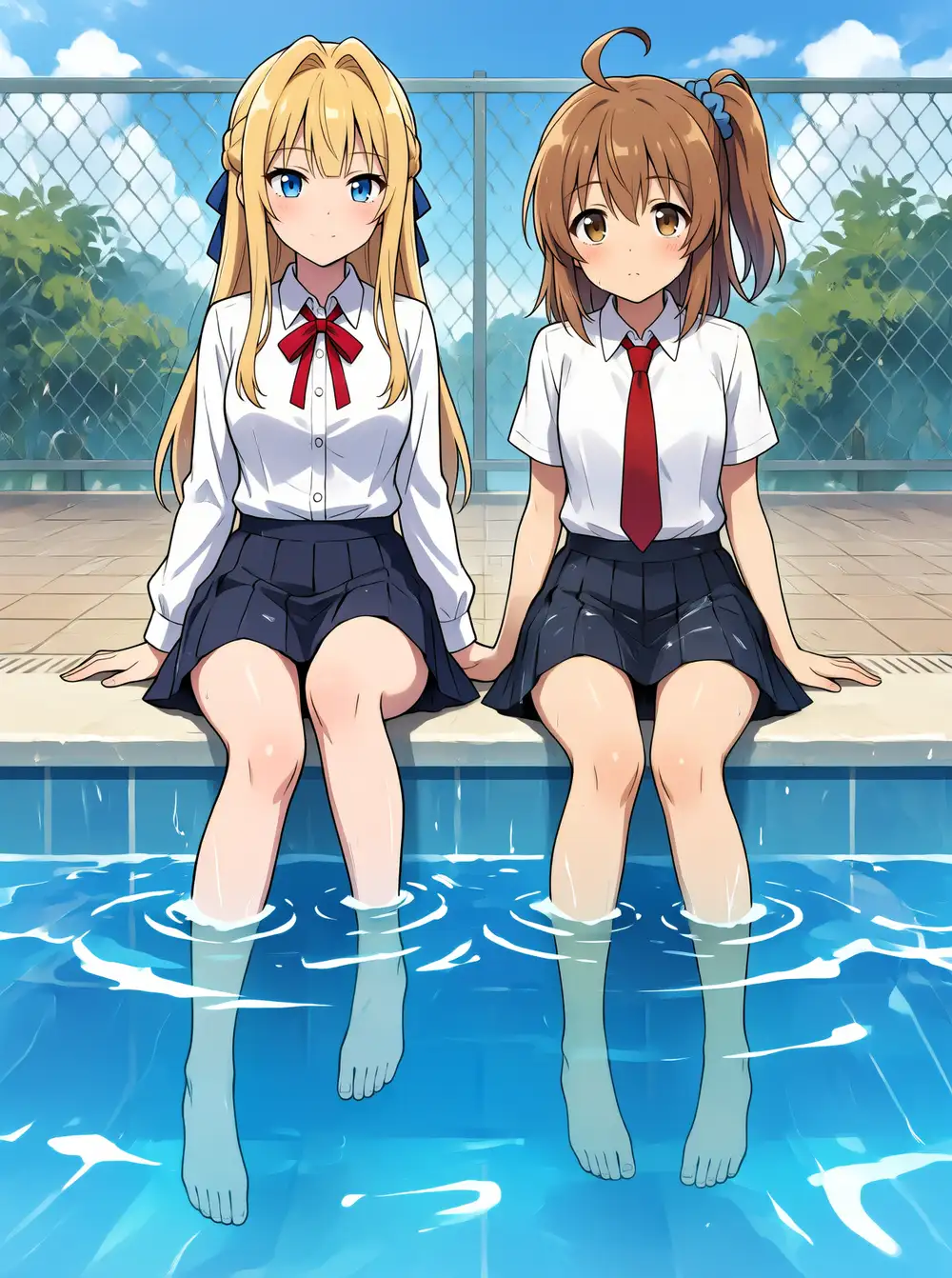
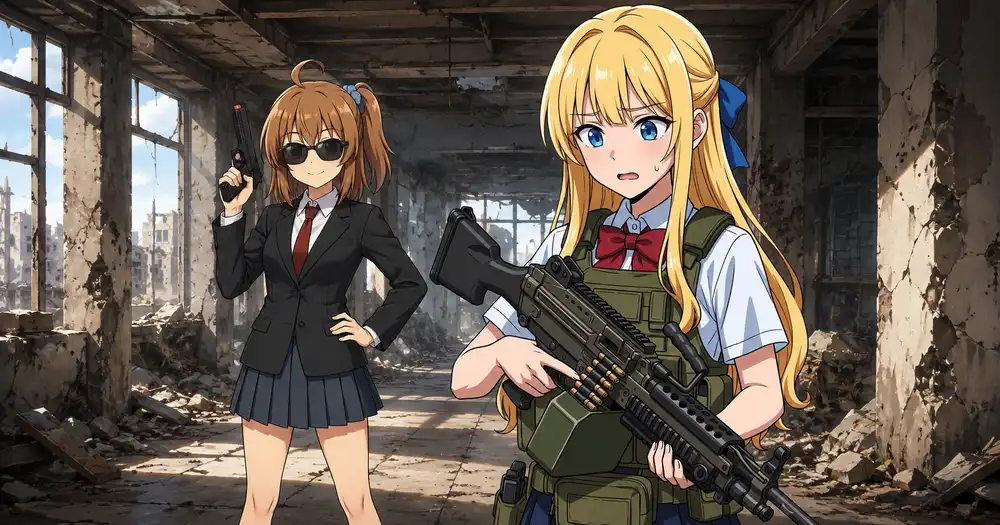
Tested on M1 Max ComfyUI: two WAI-Anima character LoRAs in one image. Side-by-side works, but only non-overlapping inpaint keeps the design pixel-exact; Qwen-Image-Edit elongates the side ponytail even with training tags, and overlapping interaction poses jam at skeleton extraction.