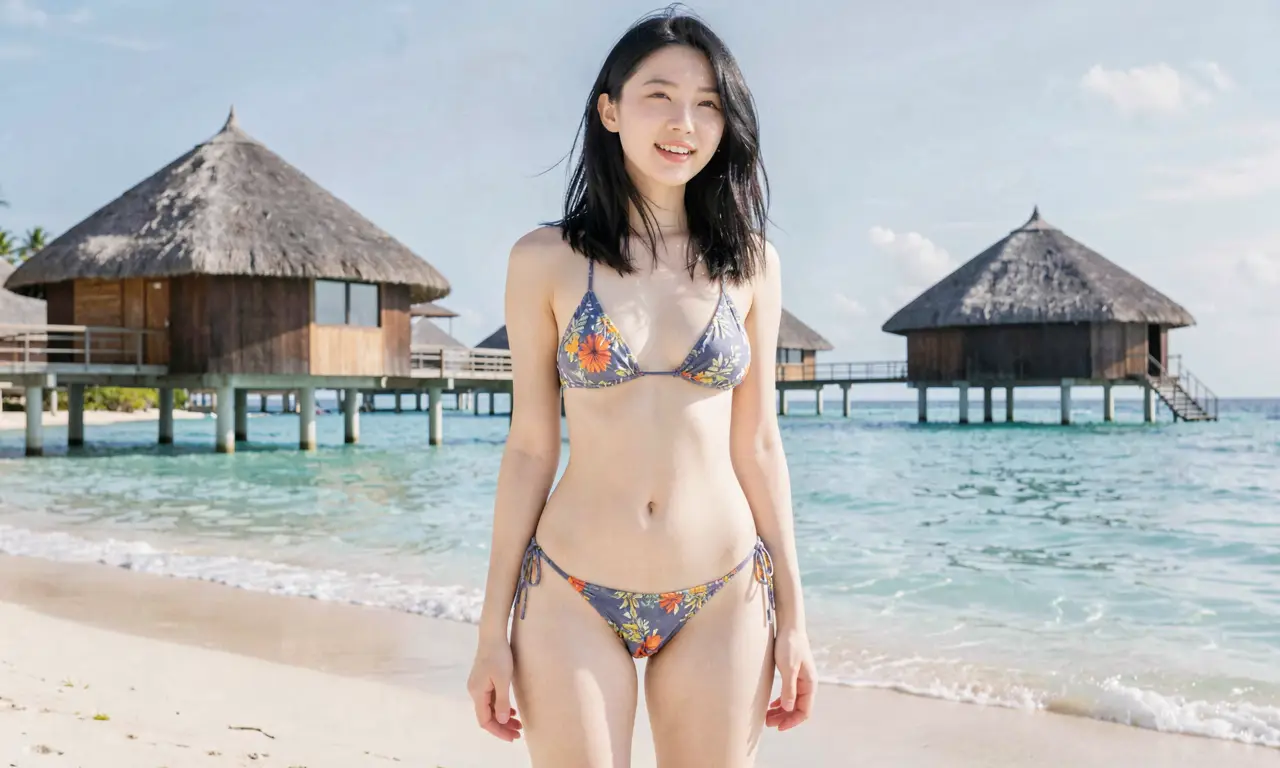
Tested Klein 9B + 9B NSFW LoRA on M1 Max 64GB via mflux 0.17.5: 1m51s/512, 5m37s/1024 q4, 224/224 LoRA keys match, NSFW prompts uncensored, Japanese subjects work with helper tokens.
Klein 4B / 9B / Base LoRAs aren't cross-compatible — a 9B NSFW LoRA throws 'lora key not loaded' on mflux's 4B path. The variant map, what mflux runs today, and where the working hands-on test lives.
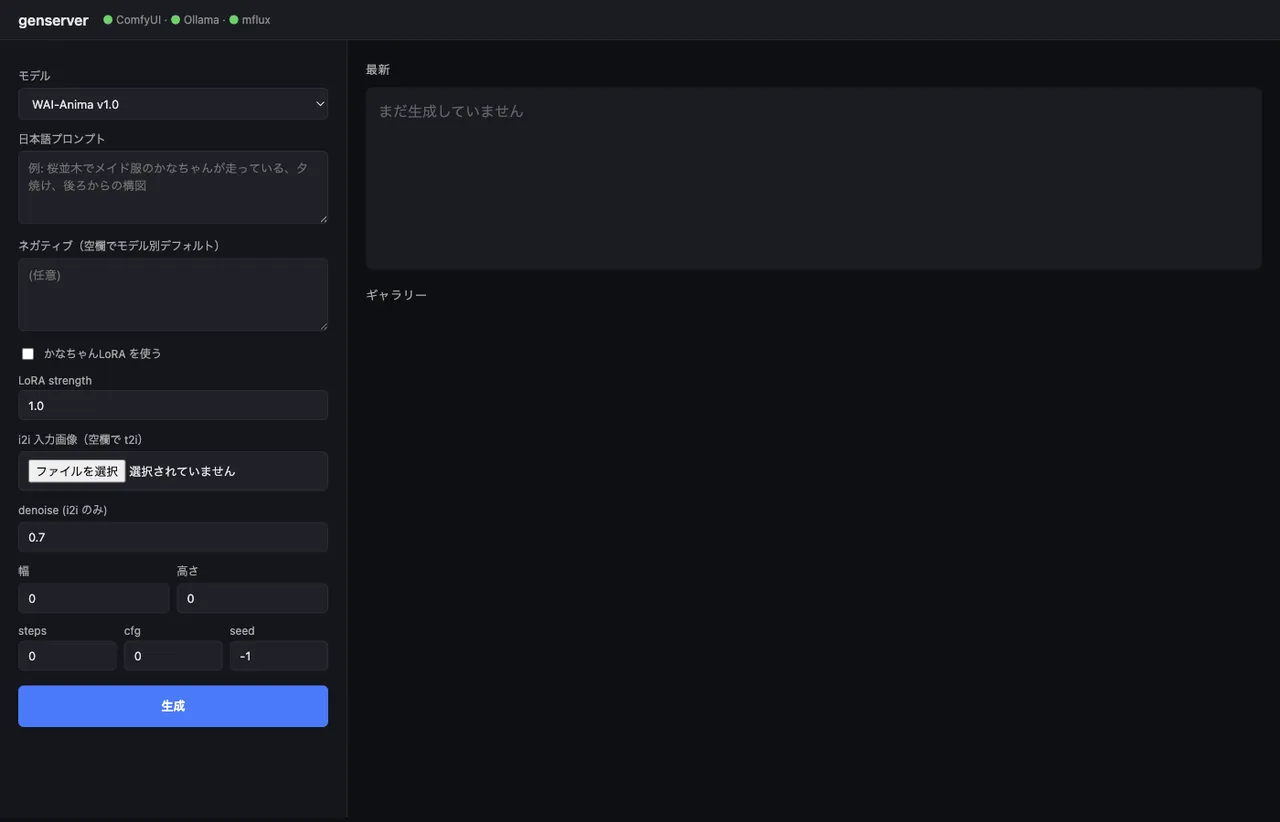
Three local image generation engines (WAI-Anima, WAI-IL/SDXL, FLUX.2 Klein 4B) tied together by a thin FastAPI wrapper that takes Japanese prompts. Ollama (gemma3:12b) handles JP→EN, ComfyUI workflows are built on the fly in Python, FLUX.2 runs as an mflux subprocess, and the whole thing is reachable from an iPhone over Tailscale.
Pruna AI's FP8 speedup needs compute capability 8.9, so Apple Silicon is out. Measured what M1 Max 64GB actually does with MLX-based mflux and antirez's iris.c: install traps, real generation times, and a wrapper kit to skip the setup.
Technical details of UltraFlux-v1, a model that pushes FLUX.1-dev into native 4K generation. It covers the differences from Z-Image and FLUX.2 Klein, its RoPE extensions and VAE improvements, and practical caveats.
Klein 9B is undistilled, wants ~29GB, and RTX 4090 speeds don't translate to MPS. Where the CUDA gap comes from, and the 4B model that hits 30-40s on M1 Max.
Overview of Alibaba’s Z-Image and how it compares to FLUX and Stable Diffusion. A 6B-parameter model that runs on low VRAM and ranks first among open-source models.