Building a gateway to route tasks across multiple PCs to Codex, Claude Code, and Pi. How we manage persistent memory, task state, model verification, and external AI boundaries.
The Tailworm report discloses how Tailscale SSH socket forwarding allows authorized users to reach root-owned Unix sockets. With no official patch or CVE available yet, here is an analysis of affected configurations and immediate mitigations based on the report, code, and official statements.
How I cut voice reply latency from 10s to 2s on an Xperia Z3 Tablet Compact photo frame by adding an intermediate front desk proxy that pre-generates 1,440 time audio clips and RSS topic briefs. Covers POST /turn history syncing, offline Vosk wake word recognition, and running PC-free on Ubuntu via Tailscale.
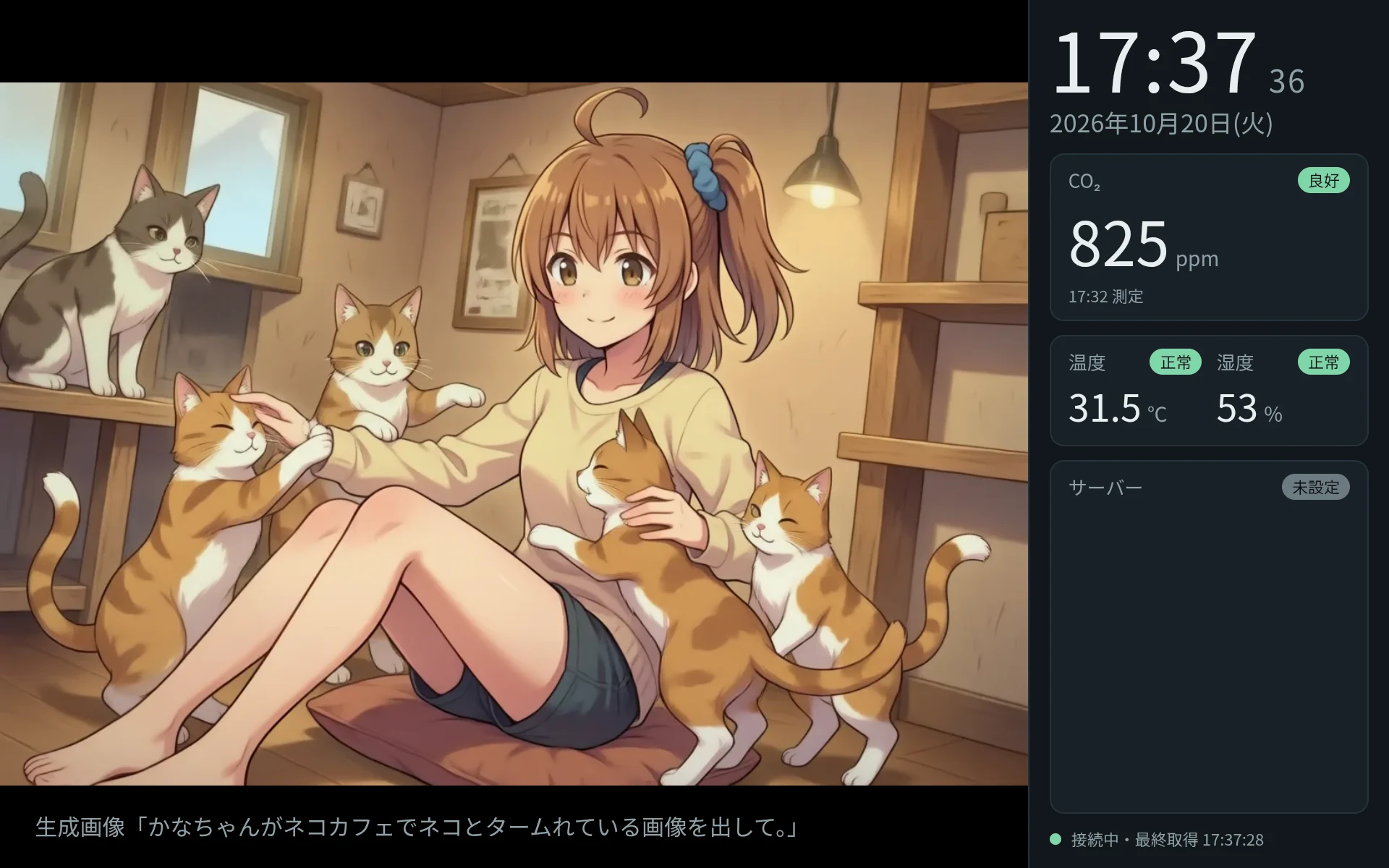
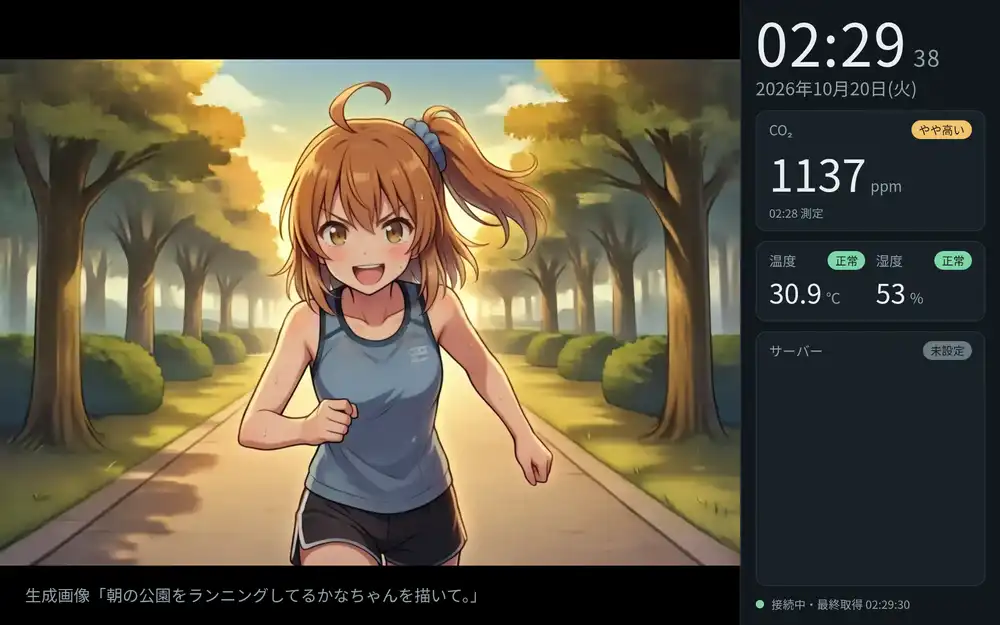
A hands-on log of turning a Sony SGP611 running LineageOS into an always-on WebView kiosk that shows CO₂ readings and Anima-generated images and draws a new picture when you talk to it. Covers front-camera heat, light-sensor screen-off, volume resetting to max, and a beep that never played.
On an M5Stack CoreS3 StackChan running ESP-IDF 5.5.4 and Tailscale, the face froze with eyes half-open while idle. After moving mbedTLS buffers to PSRAM and offloading HTTP polling, FreeRTOS run-time stats and backtraces traced the remaining stalls to lwIP and Tailscale tasks on Core 1 and blocking USB CDC writes.
Tested SCD41 on M5Stack CoreS3 StackChan: sent CO2 and temp to voice server via POST /context, replaced phantom petting touch with servo head gestures for Qwen LLM.
Tested on CoreS3 StackChan: rebuilt Arduino voice chat under ESP-IDF 5.5.4 with arduino-esp32 component to connect via Tailscale direct UDP, fixing touch sensor bounce.
Tested on CoreS3: switched Tailscale from Tokyo DERP to direct UDP. Fixing DISCO, lwIP double locking, and HTTP/2 window starvation cut WAV fetch from 9s to 2.4s.
ESP32-S3 CoreS3 joined Tailscale and fetched a WAV without the VPS relay. Tokyo DERP downloads took about 9 seconds after enrollment, stack, and TLS fixes.
Qwen3-ASR-0.6B STT on CPU, Qwen via ModelScope, streaming TTS on 4GB VRAM — one laptop, 11.9s voice-to-voice. Filler-audio job polling and measured timelines.
Looked at what actually replaces Tailscale on Linux when the issue is DNS/netfilter/CGNAT invasiveness, not WireGuard itself. Headscale, NetBird, Netmaker, Nebula, and Cloudflare Tunnel each solve a different slice. The real fix is separating private management access from public-facing APIs.
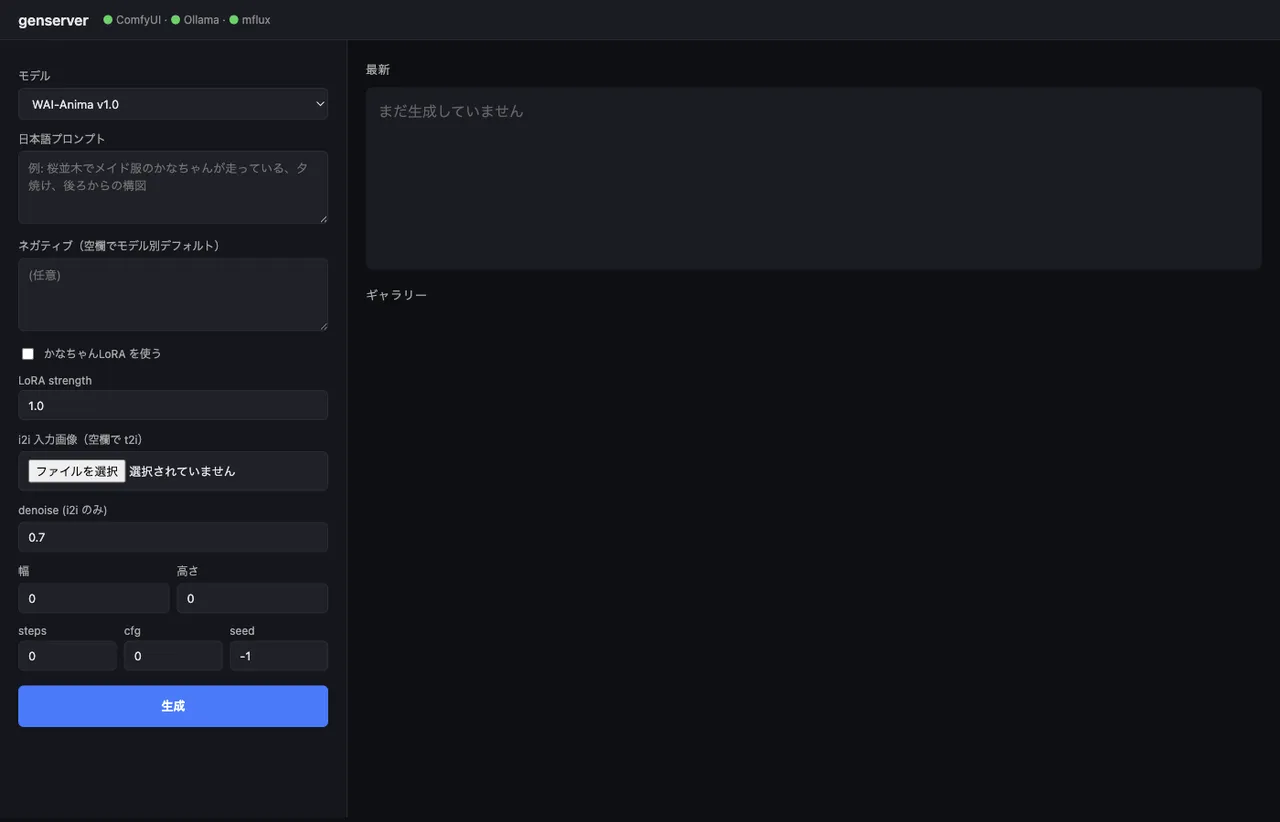
Three local image generation engines (WAI-Anima, WAI-IL/SDXL, FLUX.2 Klein 4B) tied together by a thin FastAPI wrapper that takes Japanese prompts. Ollama (gemma3:12b) handles JP→EN, ComfyUI workflows are built on the fly in Python, FLUX.2 runs as an mflux subprocess, and the whole thing is reachable from an iPhone over Tailscale.