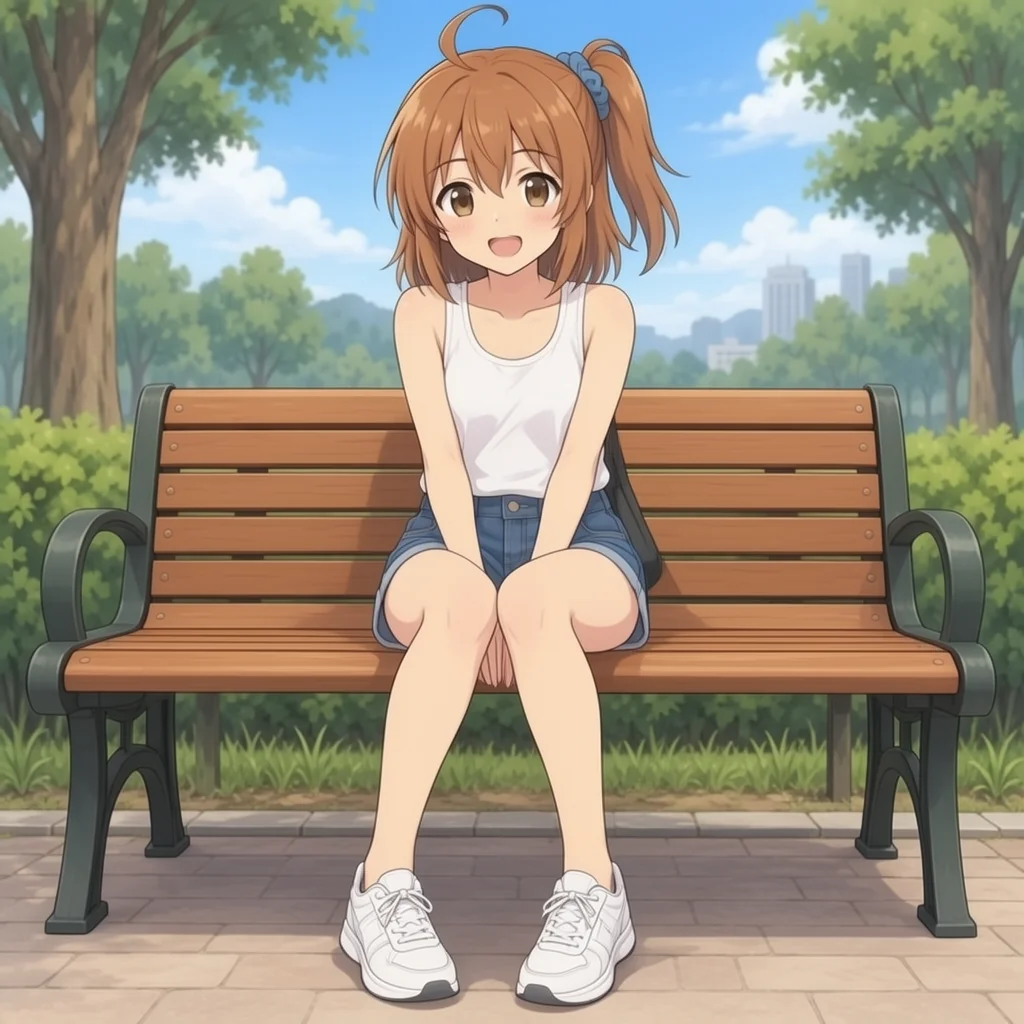
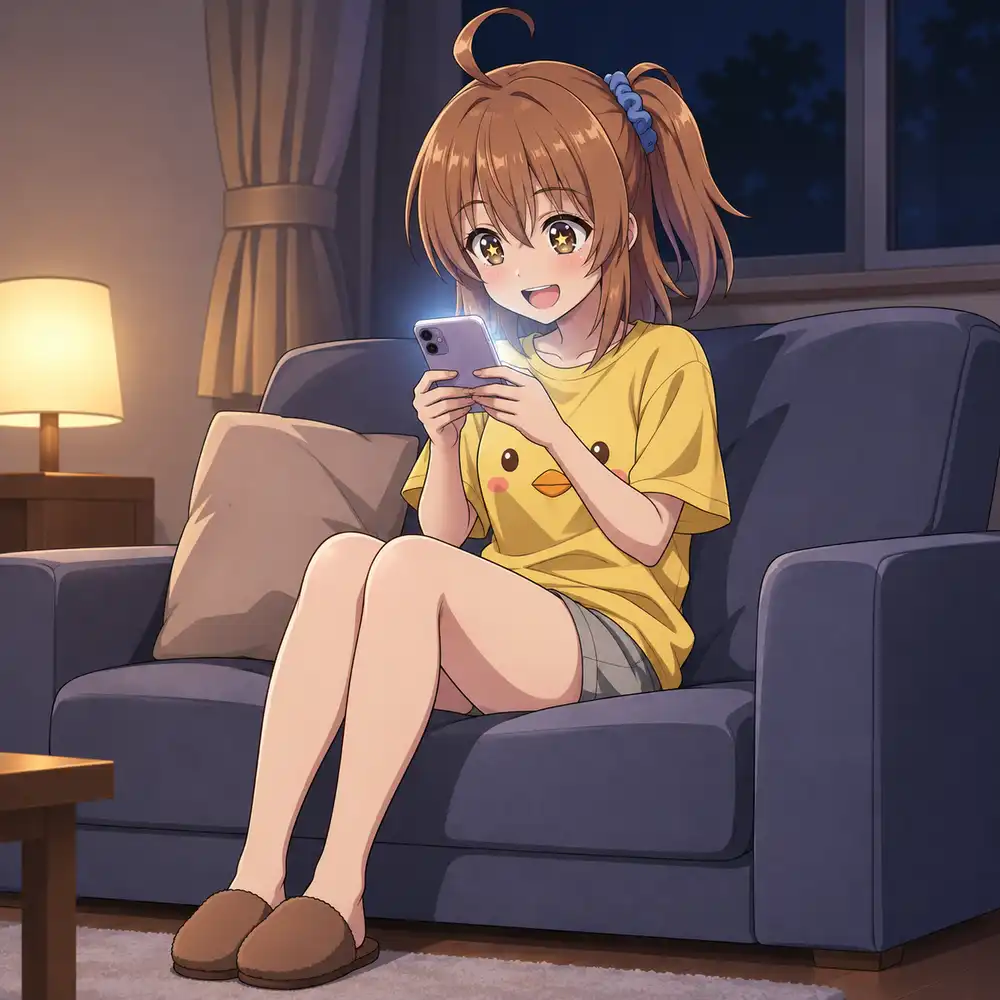
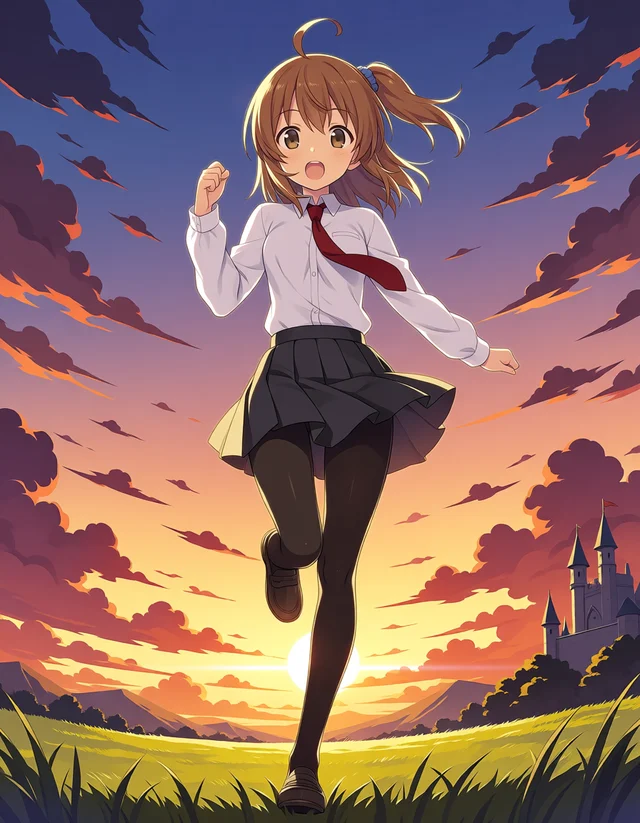
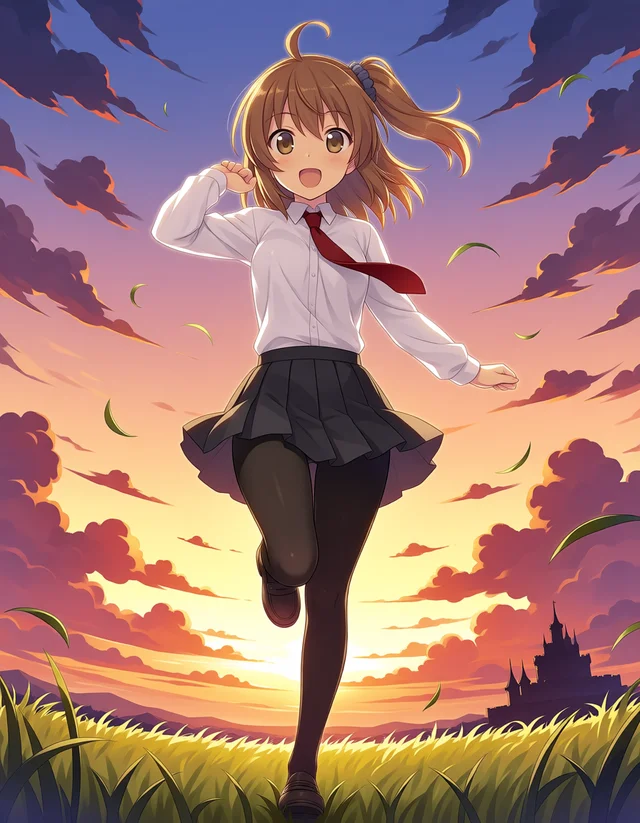
Comparing 12-turn travel conversations between Kana and Kei using Qwen4 and Qwen3.8-Flash-Next with identical character settings. Includes full transcripts alongside generated commemorative photos, examining how topics expand, personality differences emerge, and where inconsistencies occurred.
A hands-on test training a MOSS-Image Base character LoRA at 1024px using ROCm PyTorch and ai-toolkit on a GMKtec EVO-X2 (Radeon 8060S). Covers adapting Anima captions to MOSS, tracking step times and VRAM usage up to 3,000 steps, and adjusting prompts and checkpoints.
I tested TinAnima29B v1 4steps INT8, an Anima 2.9B derivative, on an M1 Max 64GB after replicating the author's sample outputs. Prompts without character specifications produced the exact same face across 3 prompt formats and 4 seeds. I also examined why negative prompts have no effect at CFG 1, the workflow embedded in the model file, and license discrepancies.
To prevent my custom AI chat assistant 'Kana' from repeating previous shopping inquiries in casual conversation, I added clickable research suggestion chips, backed by hourly Twilog status ingestion and 24-hour expiration limits.
I added small-talk updates and paired Codex image generation to my Pi and Qwen assistant, while debugging why Backlog tasks stalled at research and fixing container permission blocks.
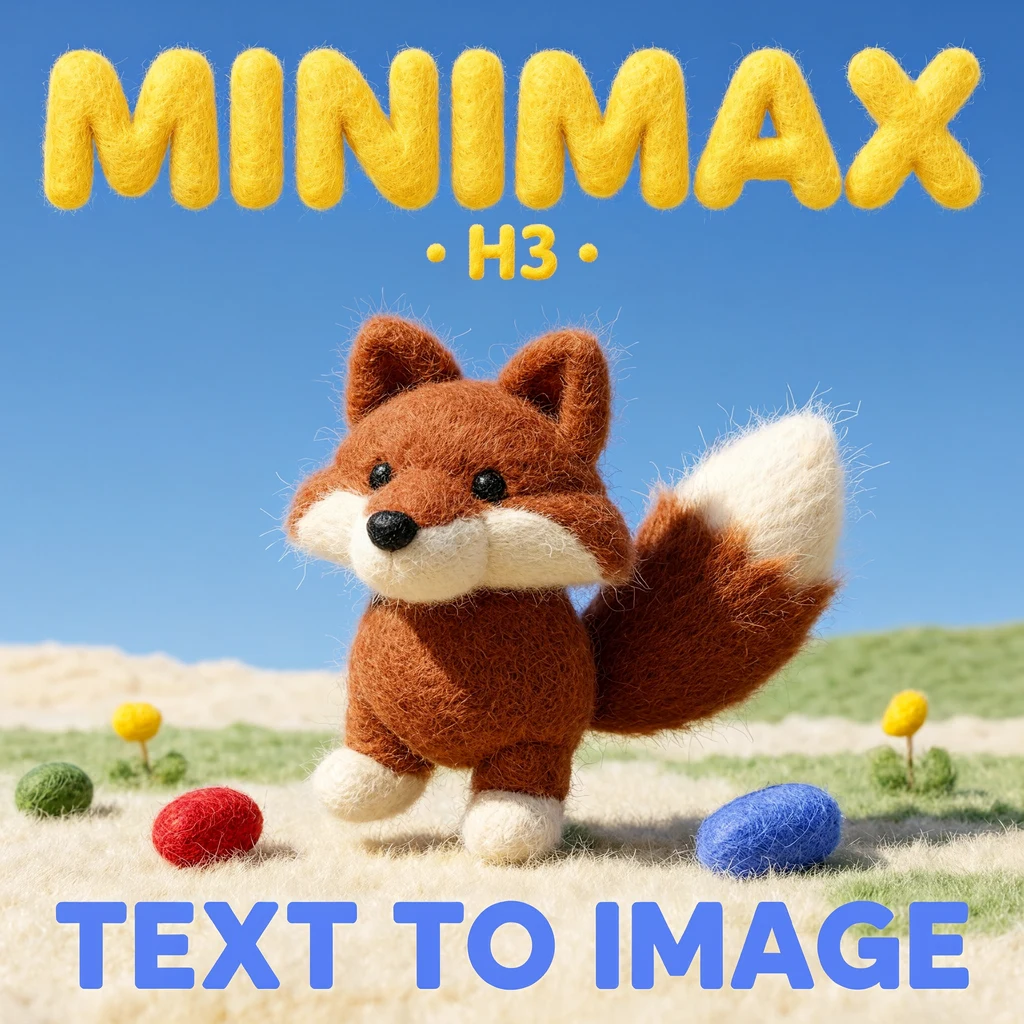
Tested the 33.1B parameter MiniMax-H3-Image quantized with GGUF on an Apple M1 Max 64GB with ComfyUI. 4MP text-to-image took ~5 minutes per image, while reference image editing via Qwen3.5 9B caption rewriting took 25-30 minutes. Tested Japanese typography, pose changes on Kana-chan, and degradation at 1MP.
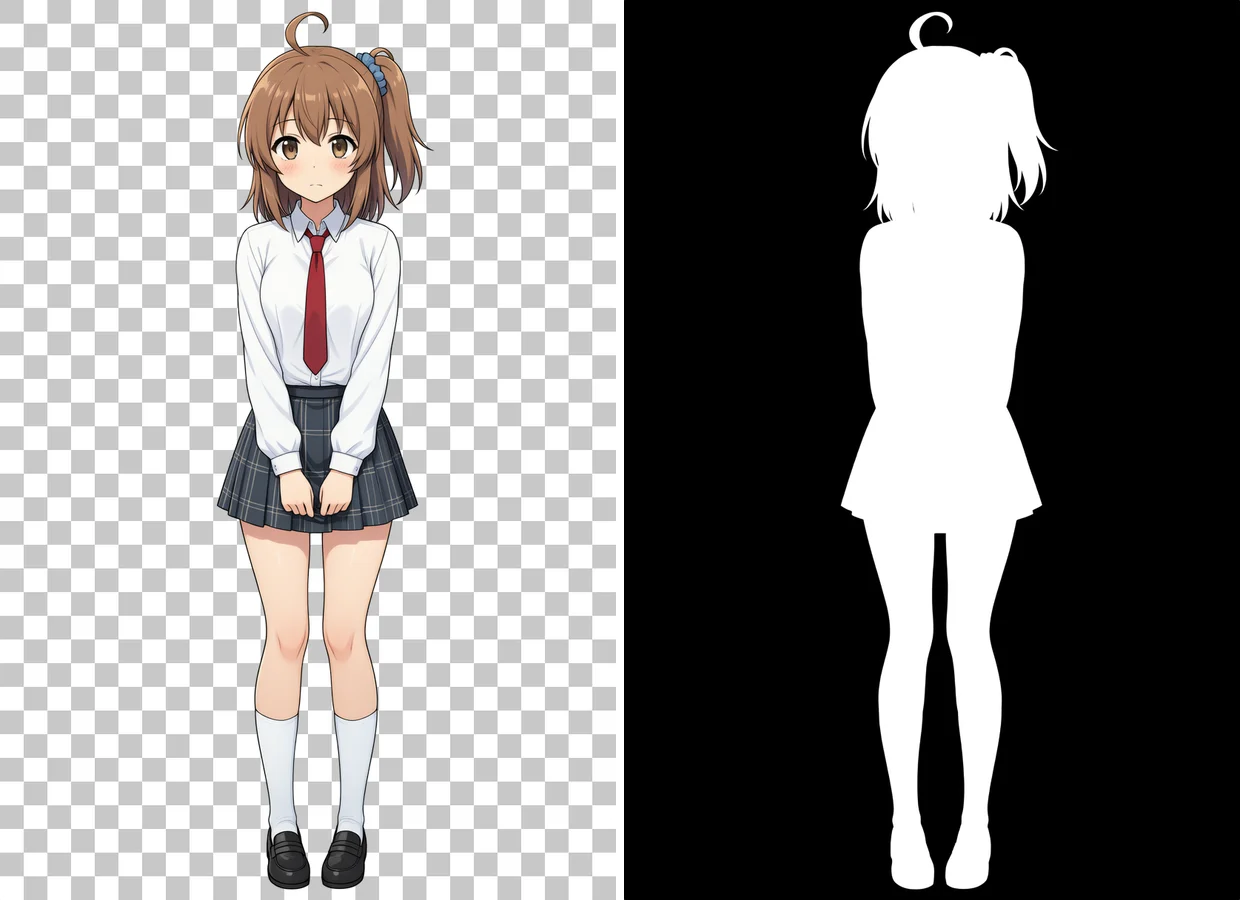
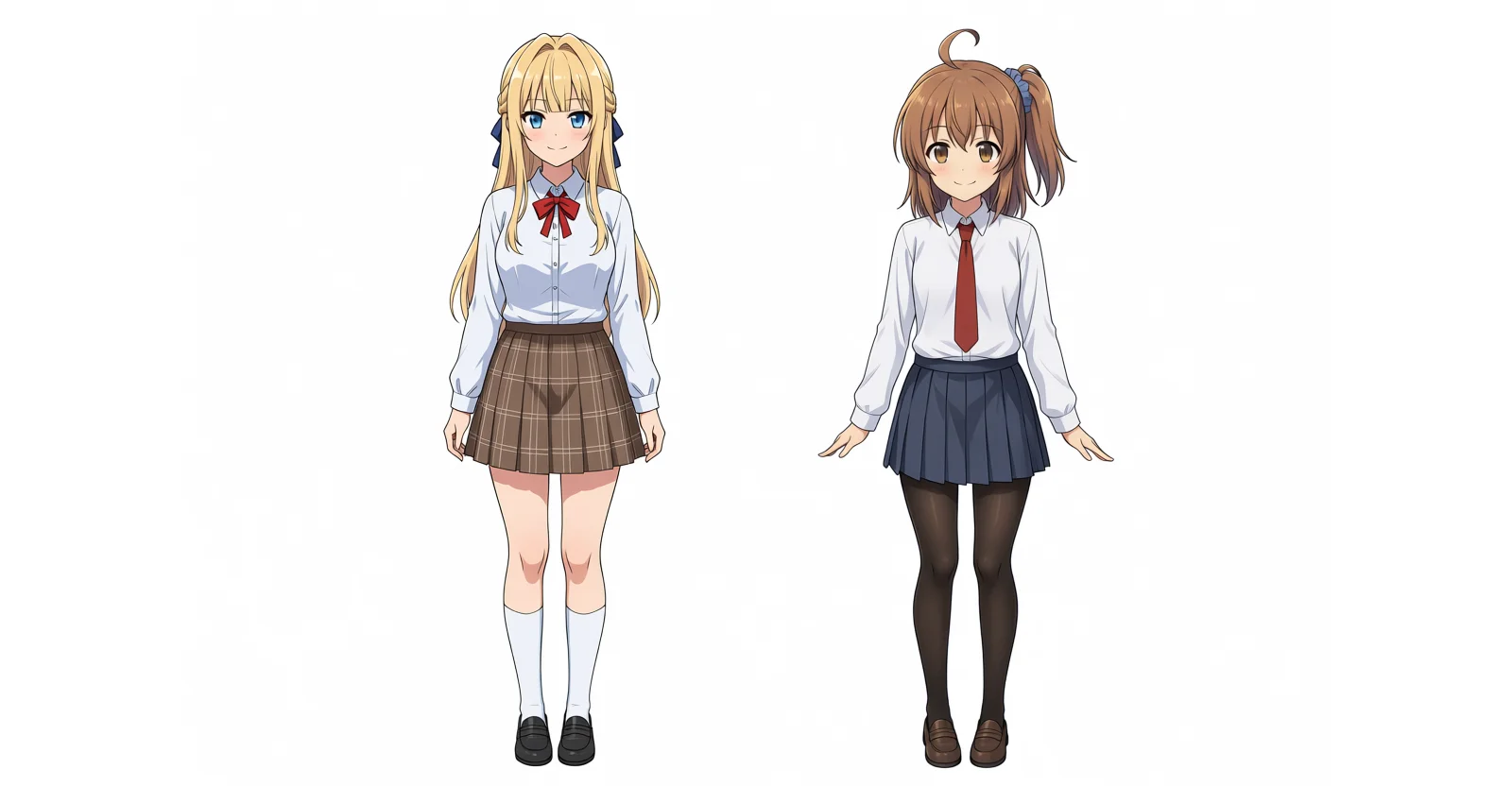
Tested reference adapter SnapRef v2a for Anima against previous v1b results on an M1 Max 64GB setup with ComfyUI. Evaluated running pose orientation, leg outfit changes, multi-reference weighting, mode char, automatic 2.9B adaptation, and MPS black image behavior, including using Anima-generated images as references.
Providing local Qwen3-Embedding-0.6B examples and regex hints boosted Qwen's chat intent classification from 57.5% to 90.0% on 40 synthetic test cases, and a secondary LLM verifier reached 95.0%. Here are the failure modes and gateway constraints.
Building a gateway to route tasks across multiple PCs to Codex, Claude Code, and Pi. How we manage persistent memory, task state, model verification, and external AI boundaries.
Tested Anima-RGBA (RGBA VAE + LoRA for Anima) on an M1 Max 64GB in ComfyUI. Evaluated 11 visual elements including hair, glass, steam, and veils to see where alpha transparency actually works, plus tests with character LoRA and Turbo LoRA.
Generated images on ComfyUI (M1 Max 64GB) across One obsession Anima 2B v5.0, Anima 2.9B v2, and Illustrious v24 from the same creator using identical prompts and seeds. Evaluated character LoRA and step adjustments per base, comparing 8 vs 30 steps on v5.0 against official Anima Base/Turbo, stock 2.9B, and WAI-Illustrious v17.
Tested SnapRef v1b for Anima across Base, Aesthetic, Turbo, and 2.9B models on M1 Max 64GB. Checked differences with v1a and FP8, strength, ref_guidance, two characters, multi-reference, 3D pose integration, and known README limits.