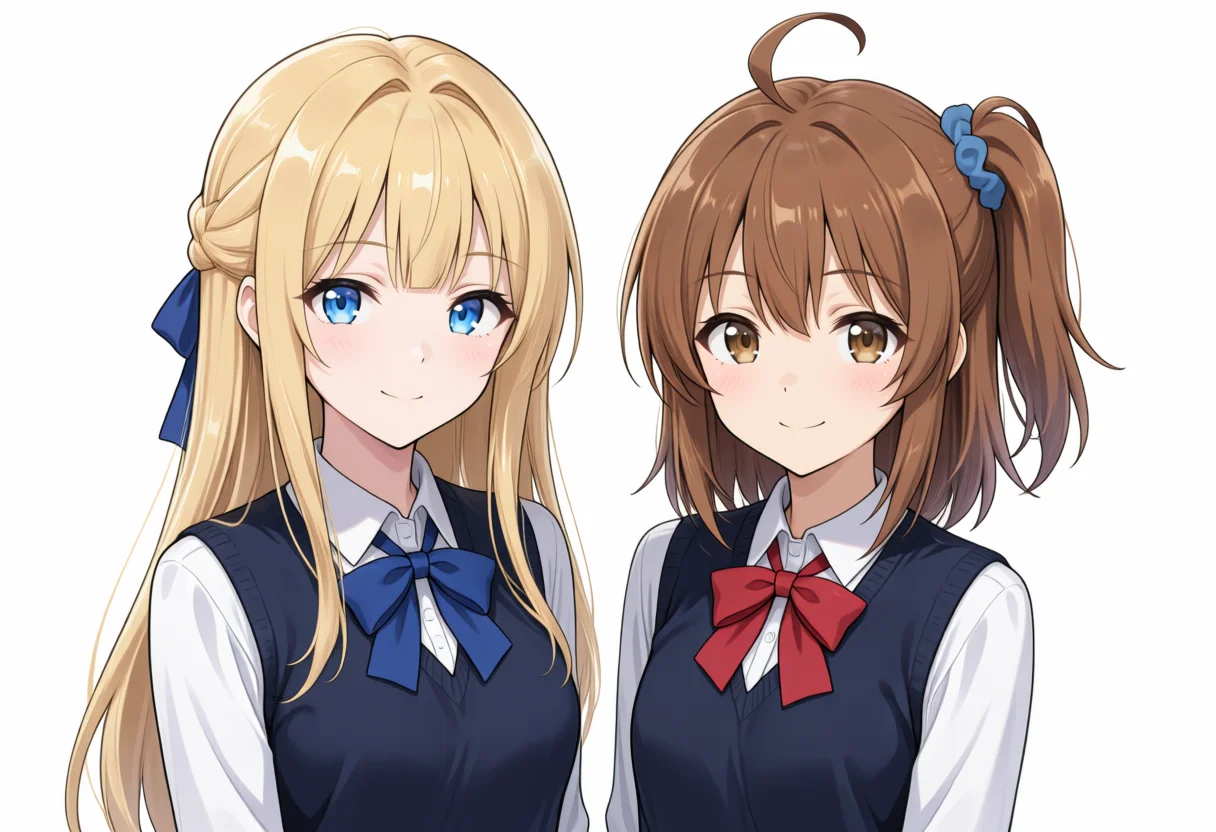
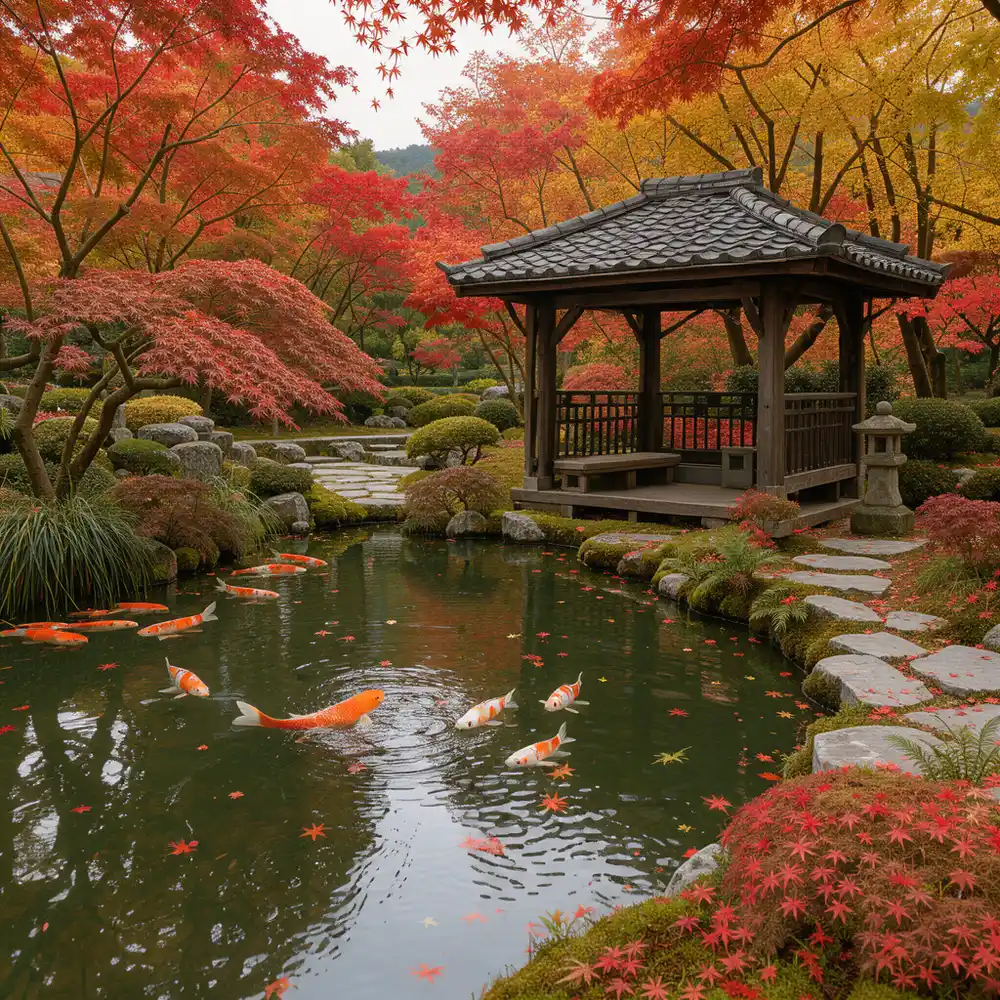
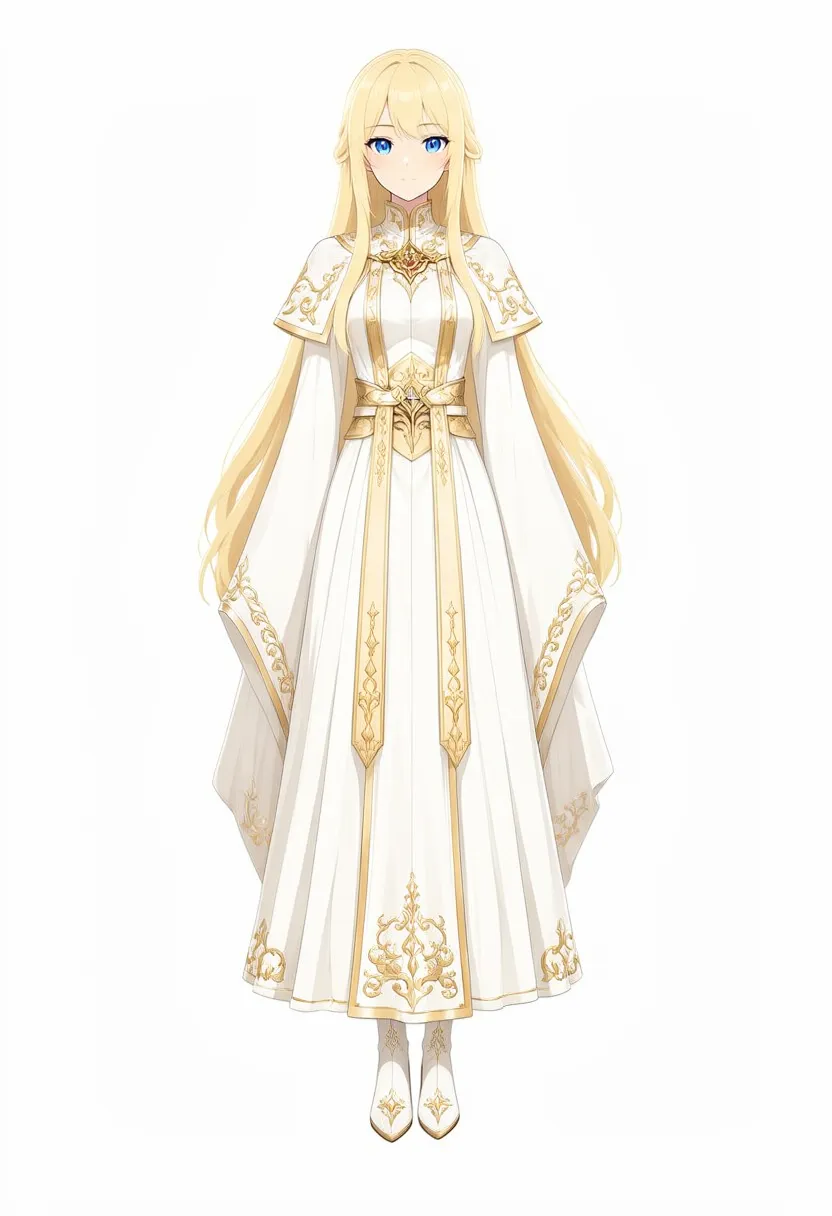
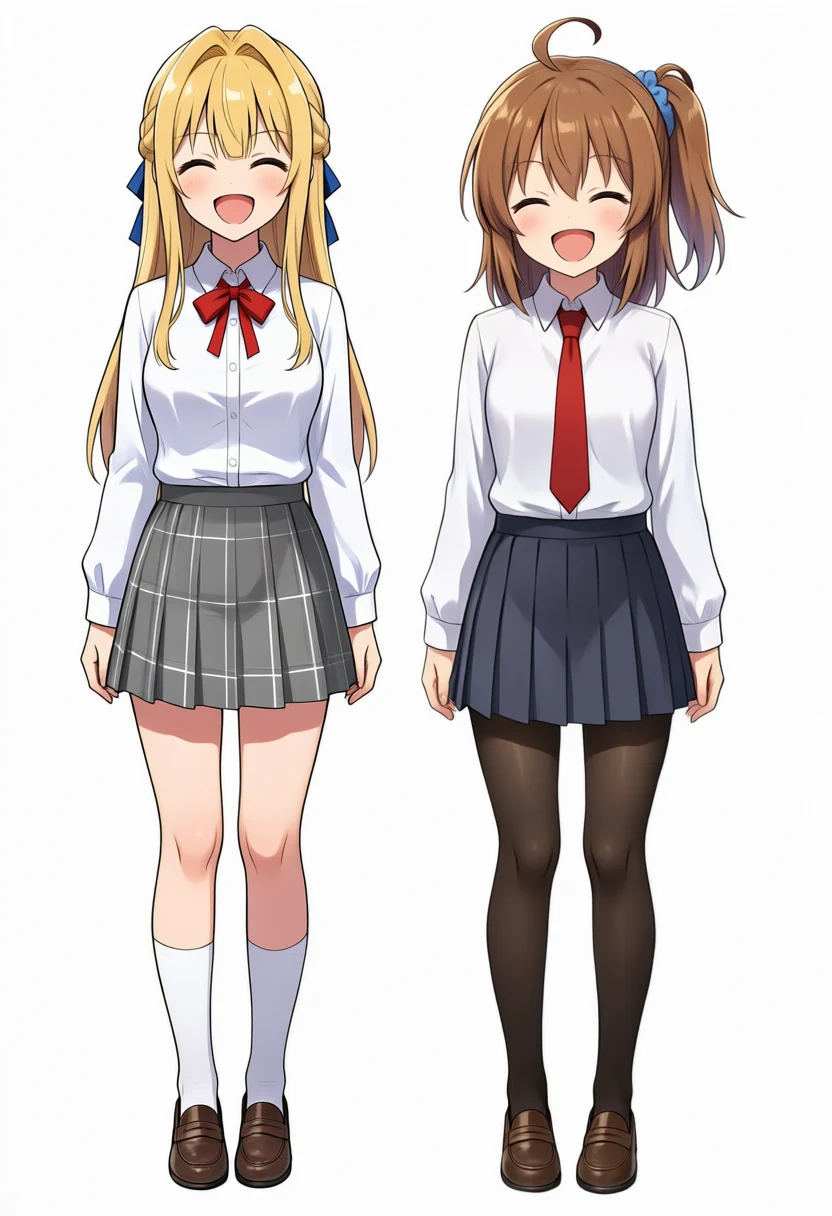
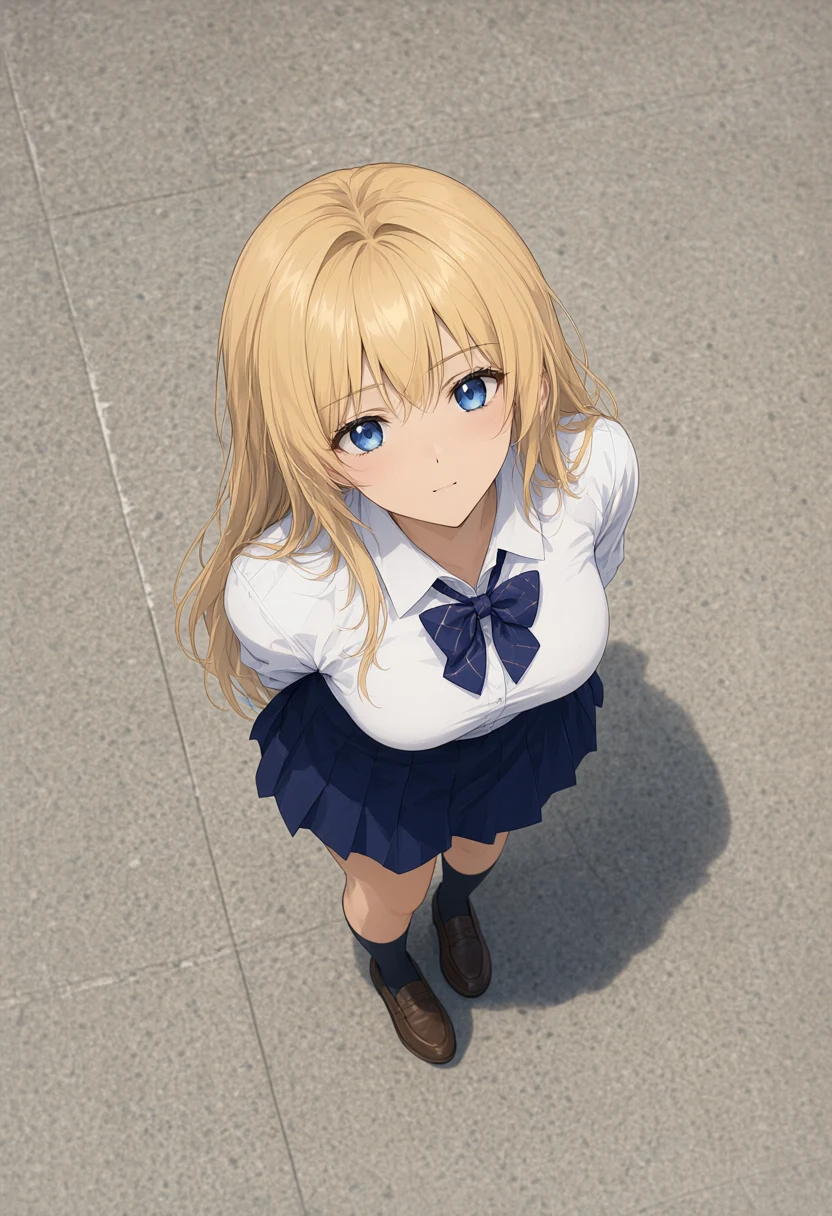
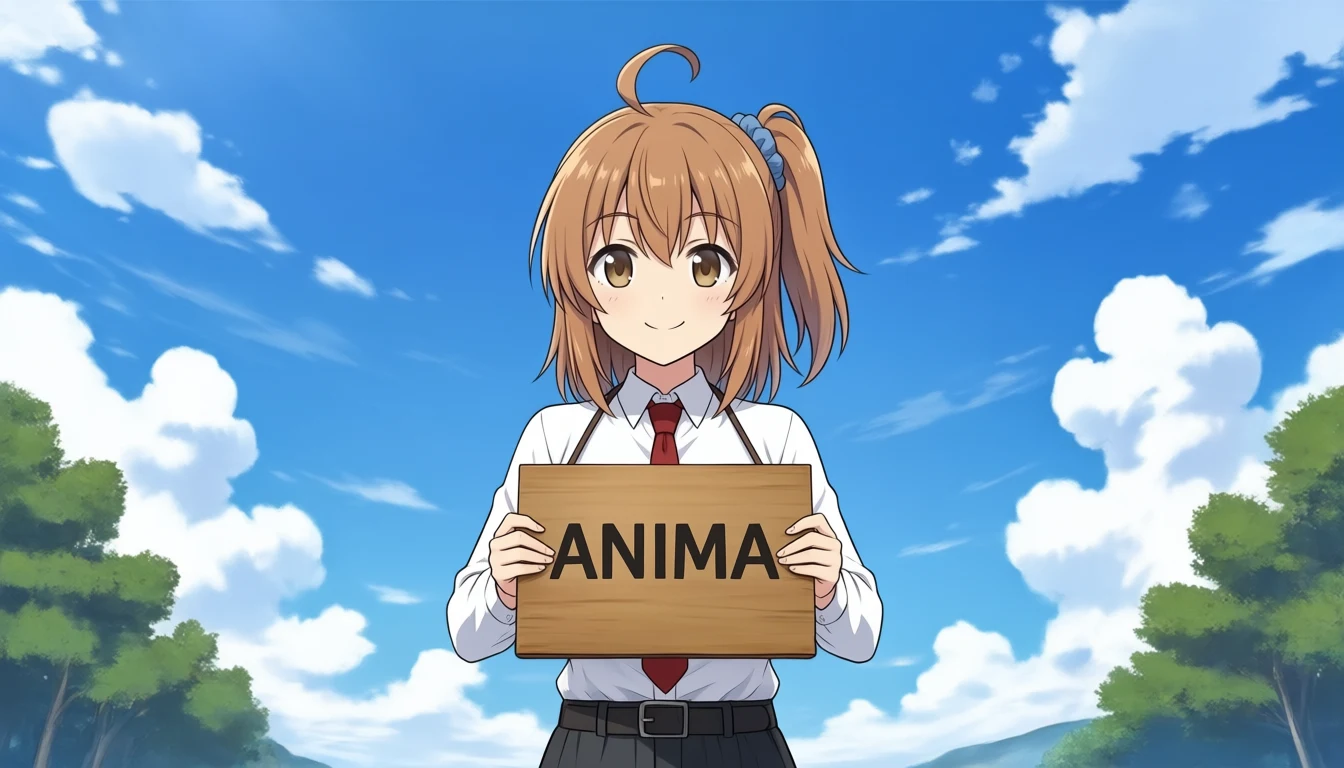
I tested TinAnima29B v1 4steps INT8, an Anima 2.9B derivative, on an M1 Max 64GB after replicating the author's sample outputs. Prompts without character specifications produced the exact same face across 3 prompt formats and 4 seeds. I also examined why negative prompts have no effect at CFG 1, the workflow embedded in the model file, and license discrepancies.
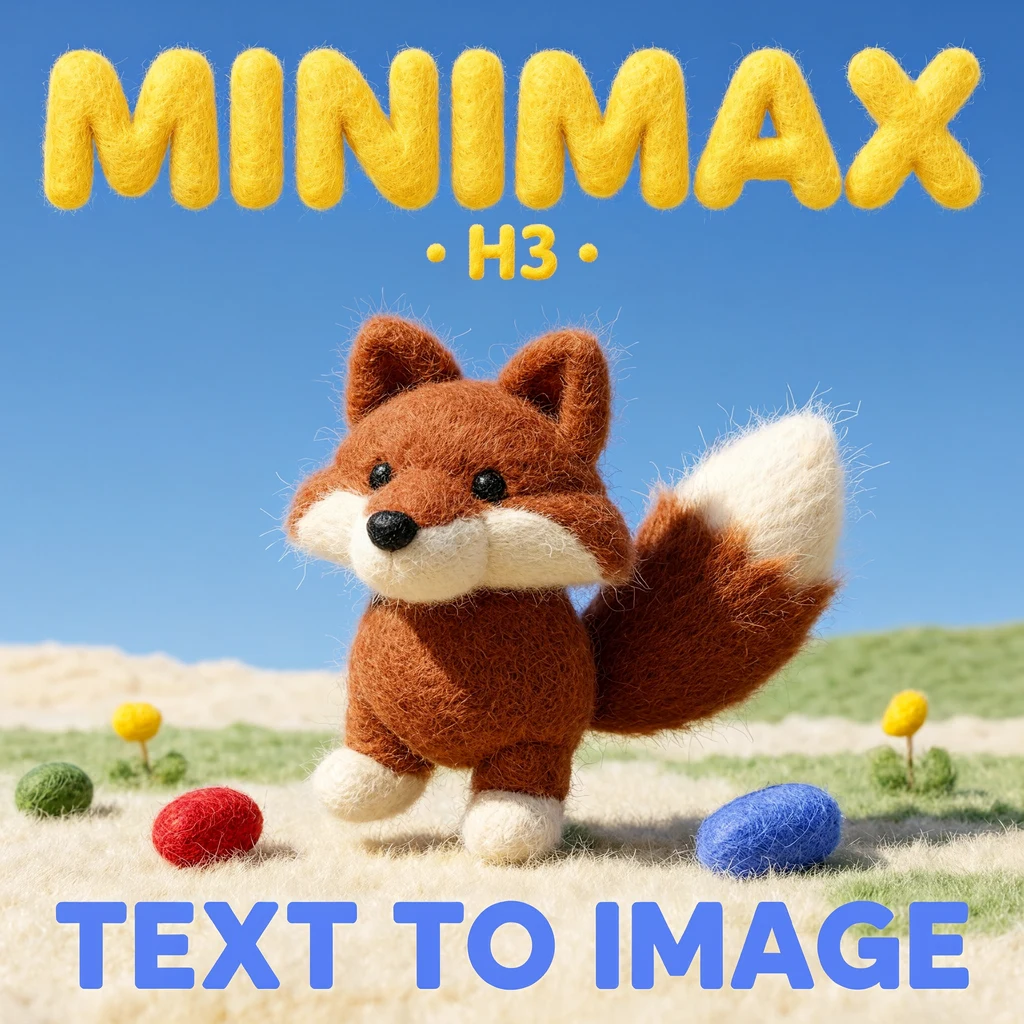
Tested the 33.1B parameter MiniMax-H3-Image quantized with GGUF on an Apple M1 Max 64GB with ComfyUI. 4MP text-to-image took ~5 minutes per image, while reference image editing via Qwen3.5 9B caption rewriting took 25-30 minutes. Tested Japanese typography, pose changes on Kana-chan, and degradation at 1MP.
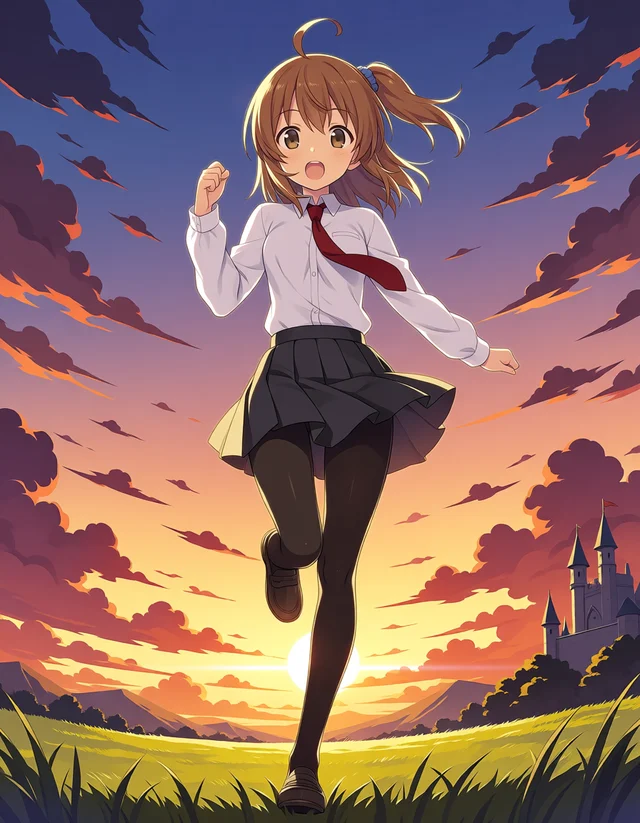
Tested reference adapter SnapRef v2a for Anima against previous v1b results on an M1 Max 64GB setup with ComfyUI. Evaluated running pose orientation, leg outfit changes, multi-reference weighting, mode char, automatic 2.9B adaptation, and MPS black image behavior, including using Anima-generated images as references.
MOSS-Image takes ~10 minutes per 1024x1024 image on Apple Silicon. Using the 4-step distillation LoRA and HaDeS MOSS Suite, I identified active layers, pruned the LoRA to rank 2 (8.3MB), and merged it into an int8 standalone model generating in ~50 seconds on M1 Max.
Without dedicated character LoRAs for MOSS-Image, I used 4-step MOSS-Image for image-to-image (I2I) translation of Anima-generated character art. Testing typography addition on signs, 1.5x upscaling, and photorealistic transfer on an M1 Max revealed discrete step coarseness in standard denoise and required ManualSigmas.
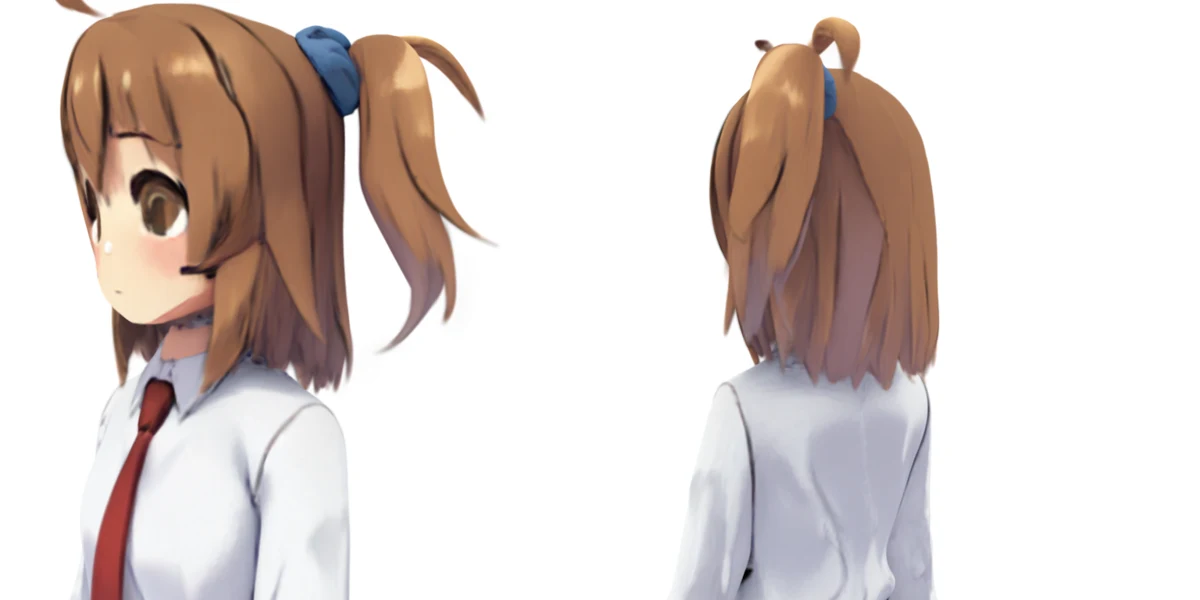
Tested Idol, an image-to-3D Gaussian Splat model requiring an NVIDIA GPU with CUDA, on an Apple M1 Max 64GB using MPS. Evaluated generation times, memory usage, CPU numerical consistency, and visual degradation across demo images, flat anime illustrations, chibi art, and figure-rendered styles. While shaded inputs stabilized body geometry, back-of-head hairstyles remained inconsistent.
A local evaluation of MOSS-Image Base and SFT on an M1 Max Mac using MPS, examining prompt behavior for character portraits, text rendering, JSON layout placement, and comparisons with earlier Qwen and Anima generations.
Tested on M1 Max: Diffusers stretches an 832×1216 reference to 832×1248, making figures 2.7% narrower. Setting output_resolution=1006 cut whole-image drift to about 0.1px.
Tested on M1 Max 64GB: the training-free TaylorSeer cache in Diffusers made Qwen-Image 2.1 about 2.7x faster. It crashes with the default KV cache; a small patch fixes it.
Tested on M1 Max 64GB: SeFi-Image turbo runs on MPS in bf16 at 13–47s/image; fake text and face artifacts only clear up on 5B RL at 50 steps, 18 min/image.
Tested on M1 Max 64GB: AnimaLoraToolkit + Anima-Base crashes on torch 2.6.0 (MPS SDPA bug) but runs 300 steps clean on 2.7.1, at ~21 s/step, roughly 9x slower than an RTX 5090.