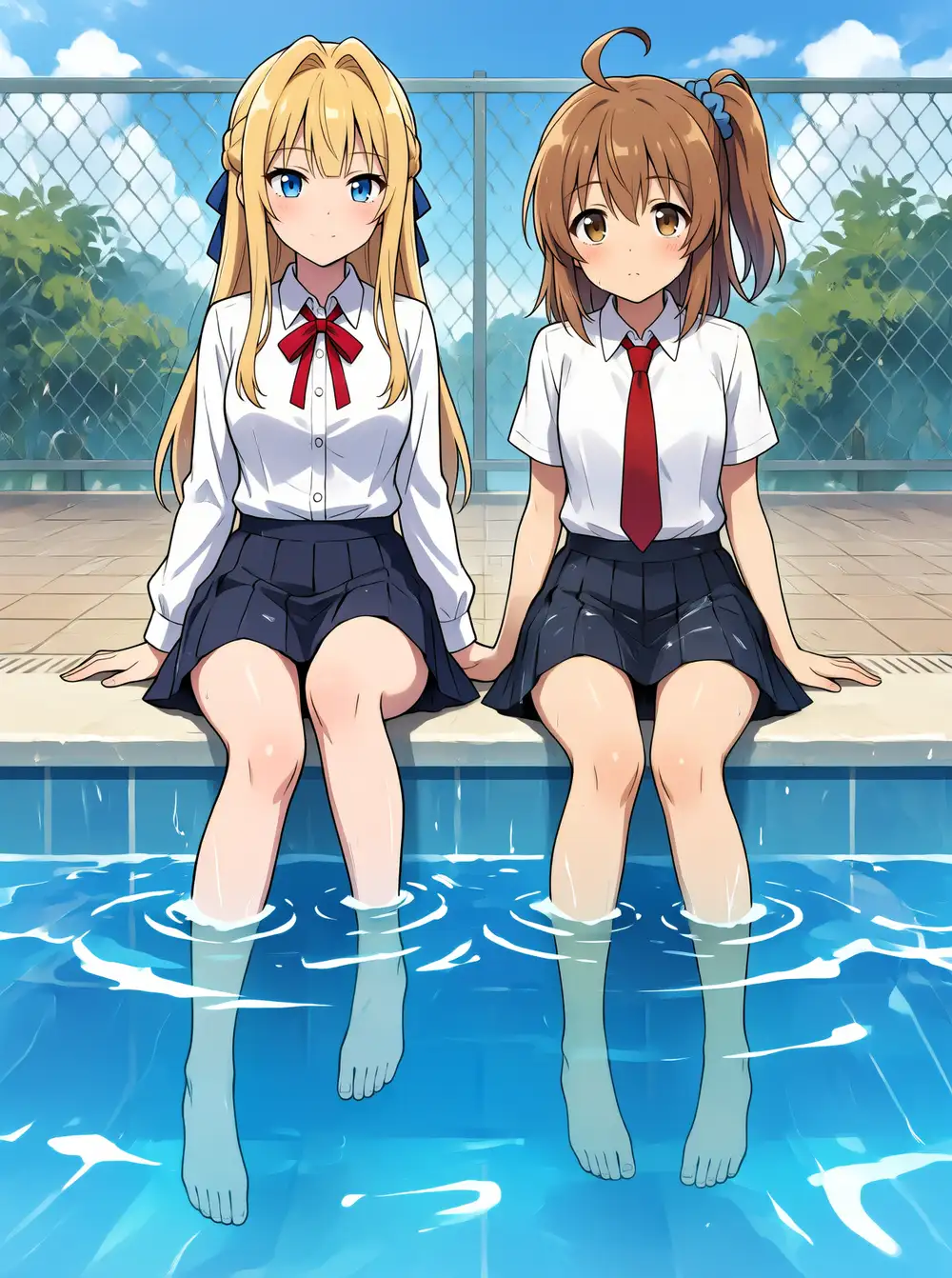
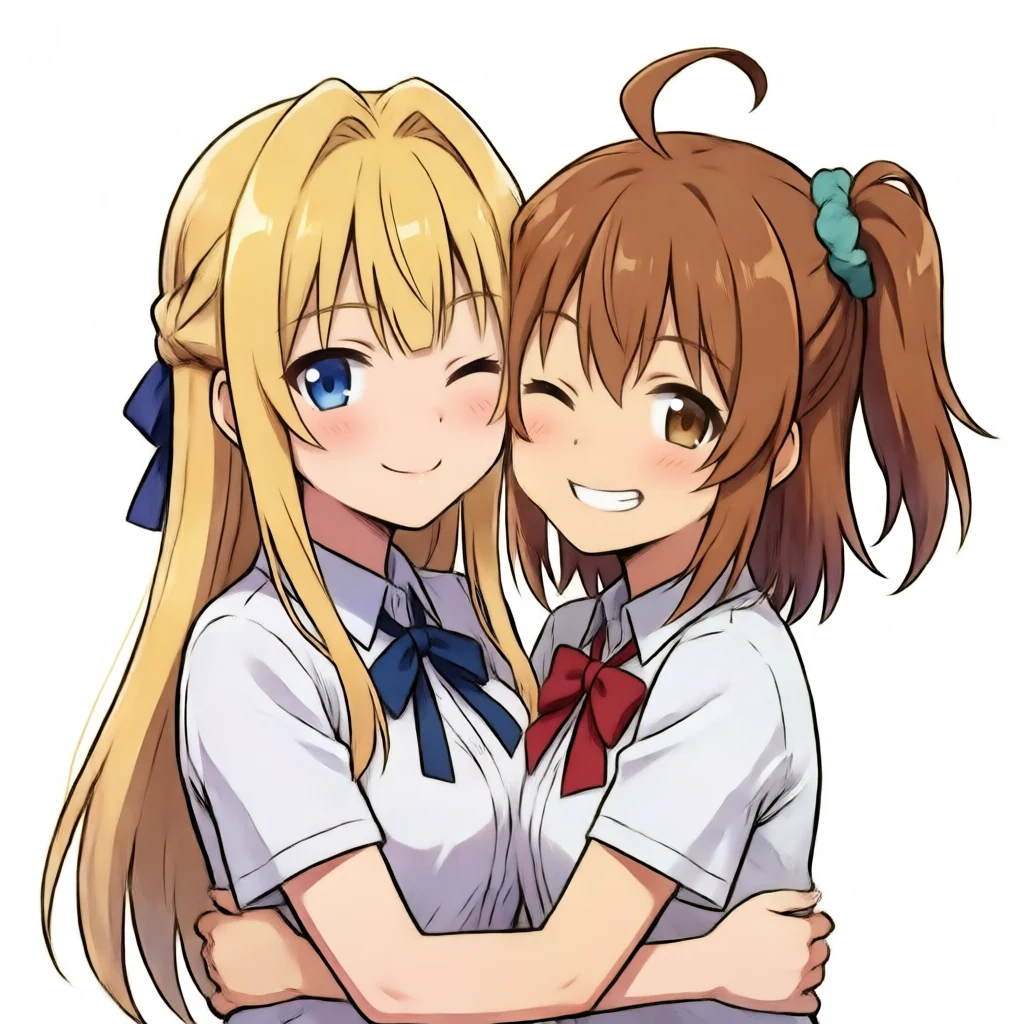
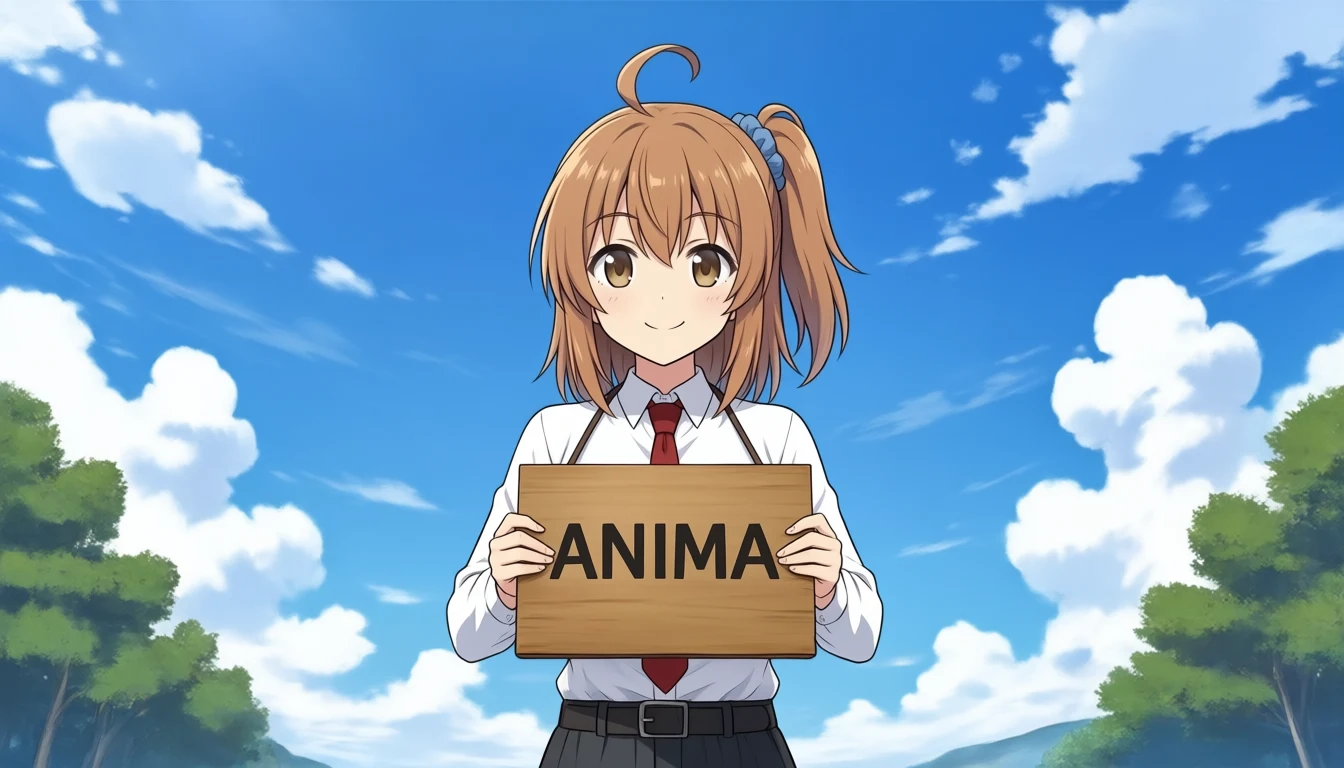
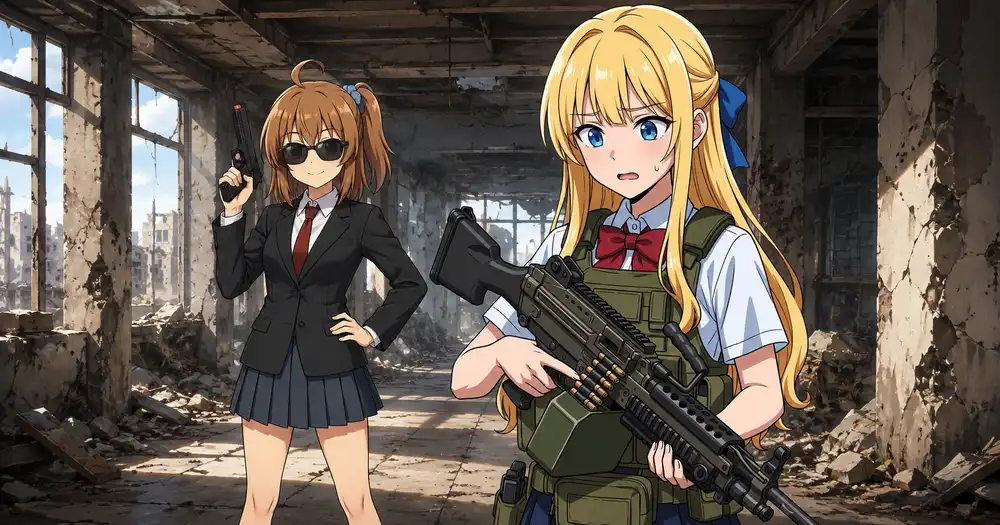
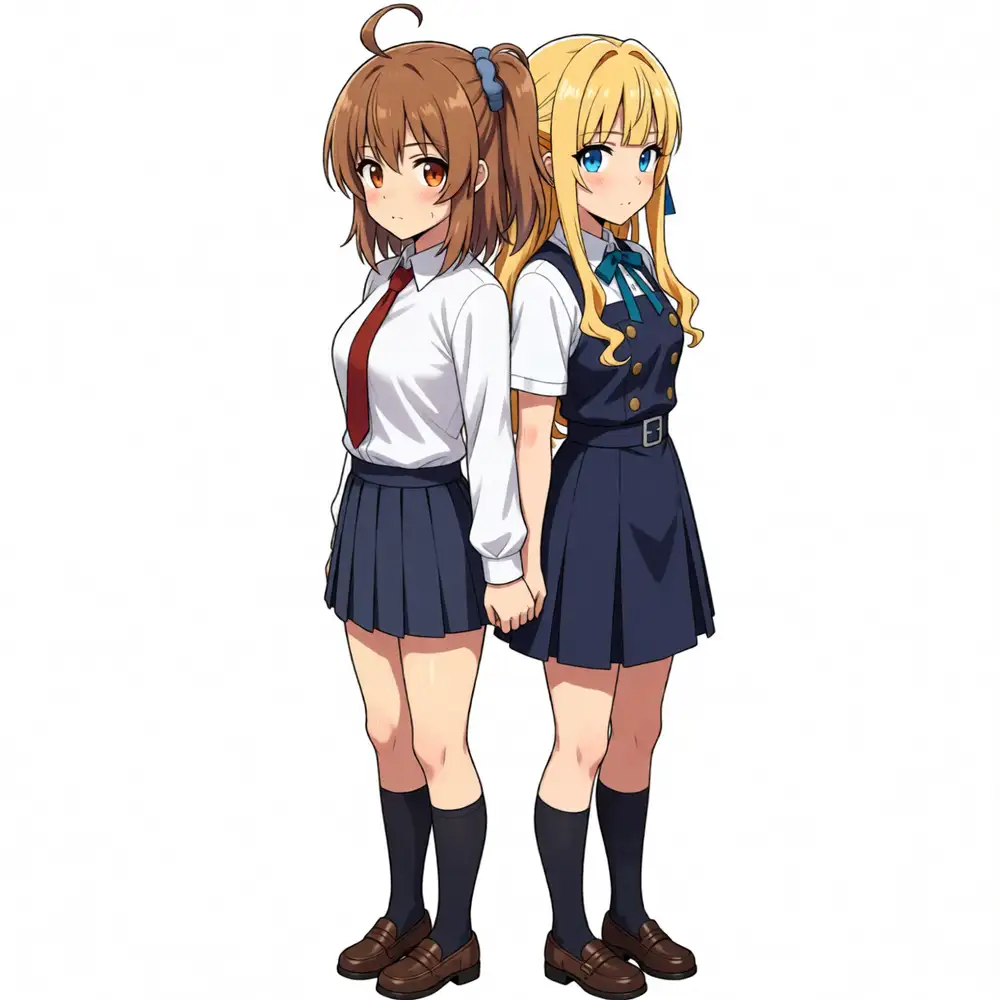
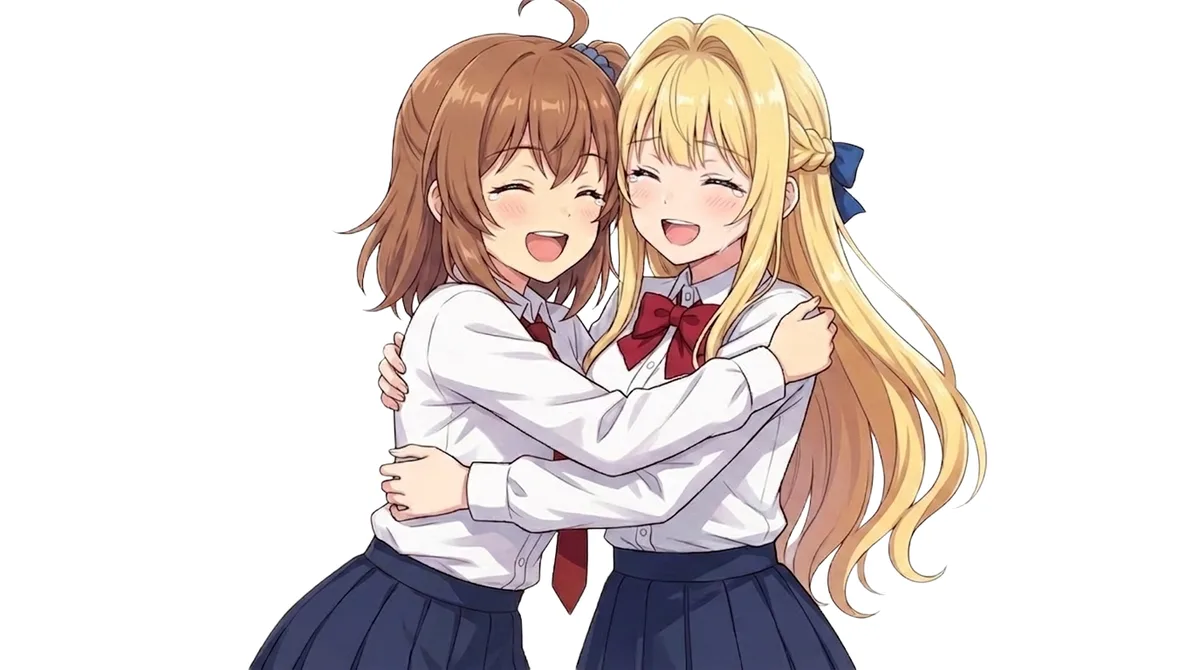
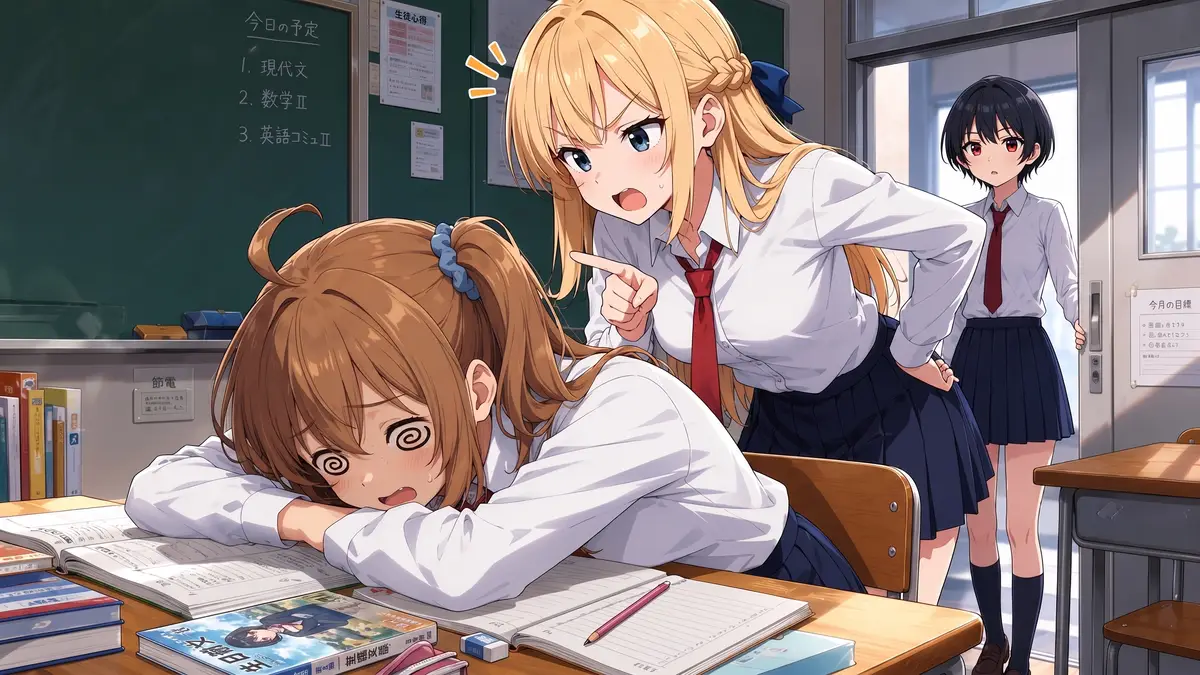
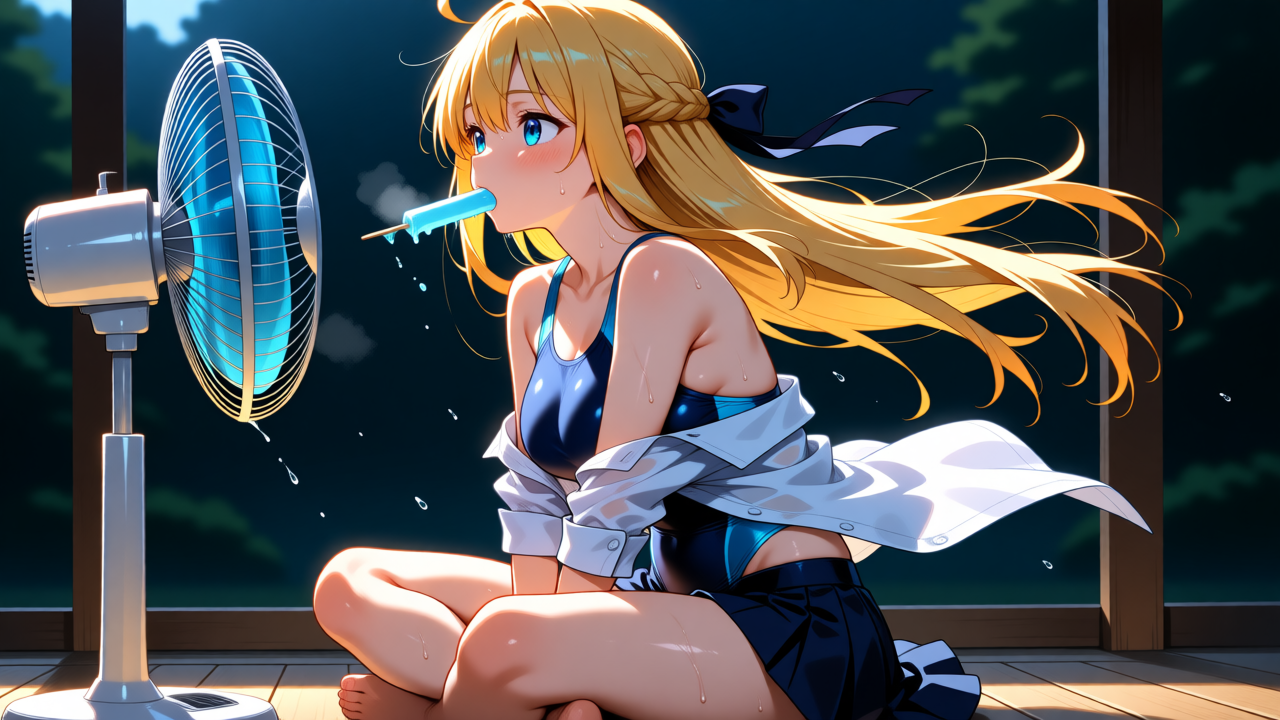
rank128 + 20 two-character images killed the v1 ahoge bleed and body fusion on this Anima dual-character LoRA. Lap-sit stays a Qwen3 text-encoder limit; sweet spot is ep140.
One Anima (Qwen-Image DiT) LoRA, two characters, trained on RunPod: can they touch? Hugs and piggyback hold, lap-sit fuses; stacked limbs survive, interleaved break. Best at ep100, Turbo.
Hexer Minimal Toon's new Anima V1 is a DiT checkpoint, not an SDXL one: 4.1GB bf16, separate VAE/text-encoder ComfyUI folders, Anima-only LoRA, and a non-commercial license the Civitai page doesn't show. What changes vs Illustrious v3.1 before you load it.
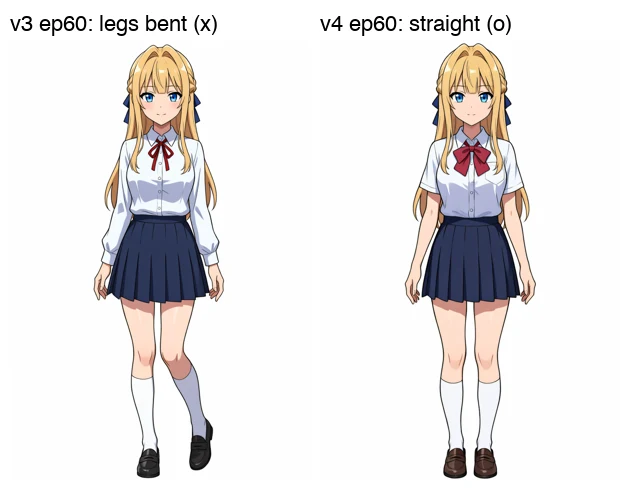
On Anima-Base, my character LoRA bent its legs even on standing. Adding upright references didn't fix it; cutting 36 posed full-body images did. Subtract, don't add.
Rebaked a WAI-Anima character LoRA onto upstream Anima-Base with off-distribution Gemini data. Trigger-only usable, face fidelity beats v1, intakes still cap out.
Tested on M1 Max 64GB ComfyUI: one character LoRA across 6 Anima derivatives, same prompt/seed. Trigger-only never stabilizes, RDBT bolts to beast-ears, structure tags fix it.
Anima is a Cosmos-based DiT, not SDXL, so one Anima LoRA loads on every derivative checkpoint. 20+ CivitAI Anima models sorted by type, aesthetic, and prompt adherence.
Tested on M1 Max ComfyUI: two WAI-Anima character LoRAs in one image. Side-by-side works, but only non-overlapping inpaint keeps the design pixel-exact; Qwen-Image-Edit elongates the side ponytail even with training tags, and overlapping interaction poses jam at skeleton extraction.
WAI-Anima LoRA trained only on images the model itself made. Distribution shift drops to ~zero, so the sweet spot hits epoch 20 not 150 (7.5x faster). What the trigger bakes in vs what still needs tags, plus pose/angle control.
Ran WAI-Anima v1.0 with a custom character LoRA on an M1 Mac to see if 2- and 3-character compositions actually hold up. Notes on what breaks and what holds at different LoRA weights, with practical settings that stay stable.
On M1 Max 64GB, SetLatentNoiseMask returns unchanged images with no error. LanPaint alone takes 32 min; adding Crop-and-Stitch drops text inpaint to 2:31.