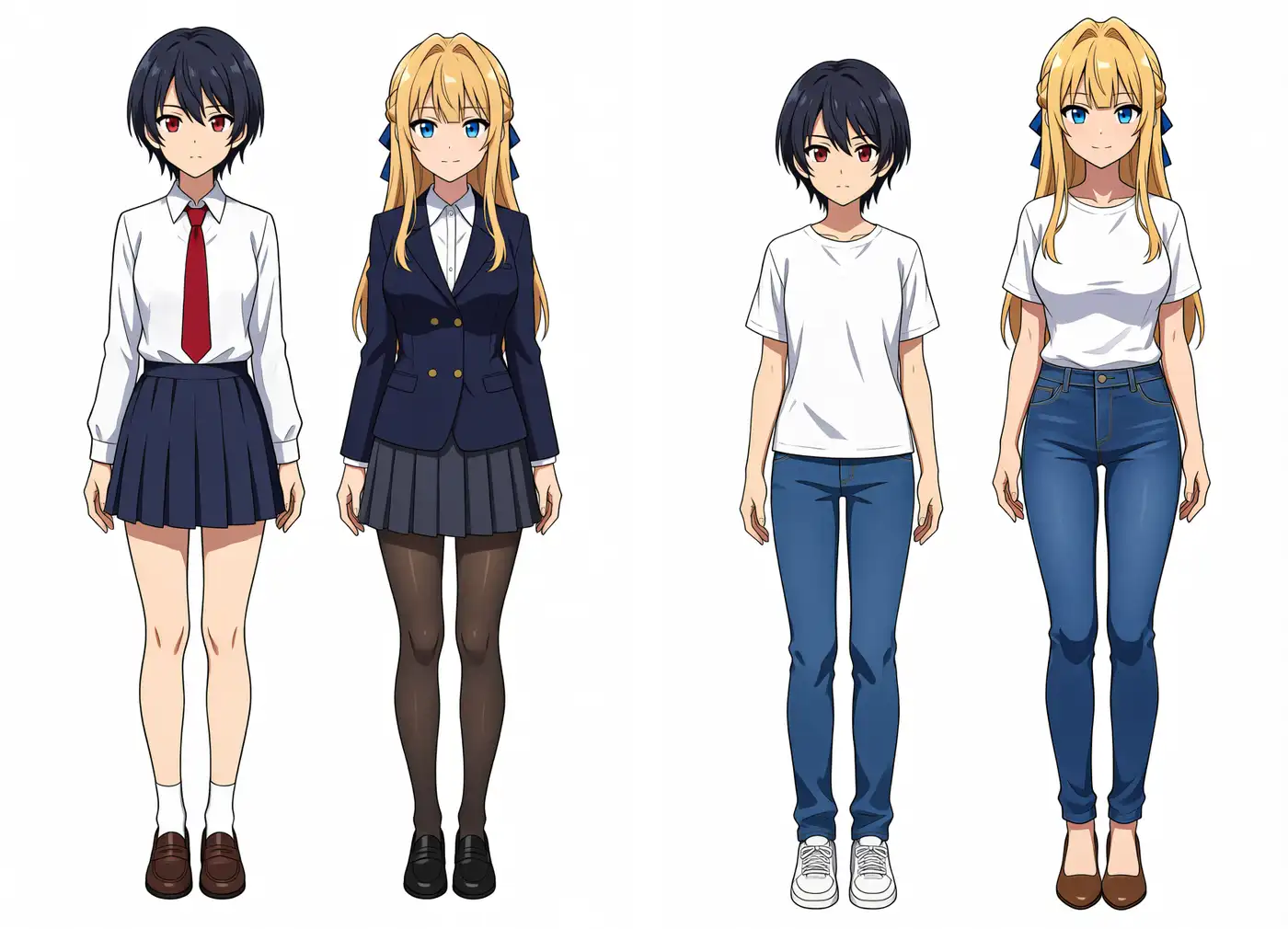
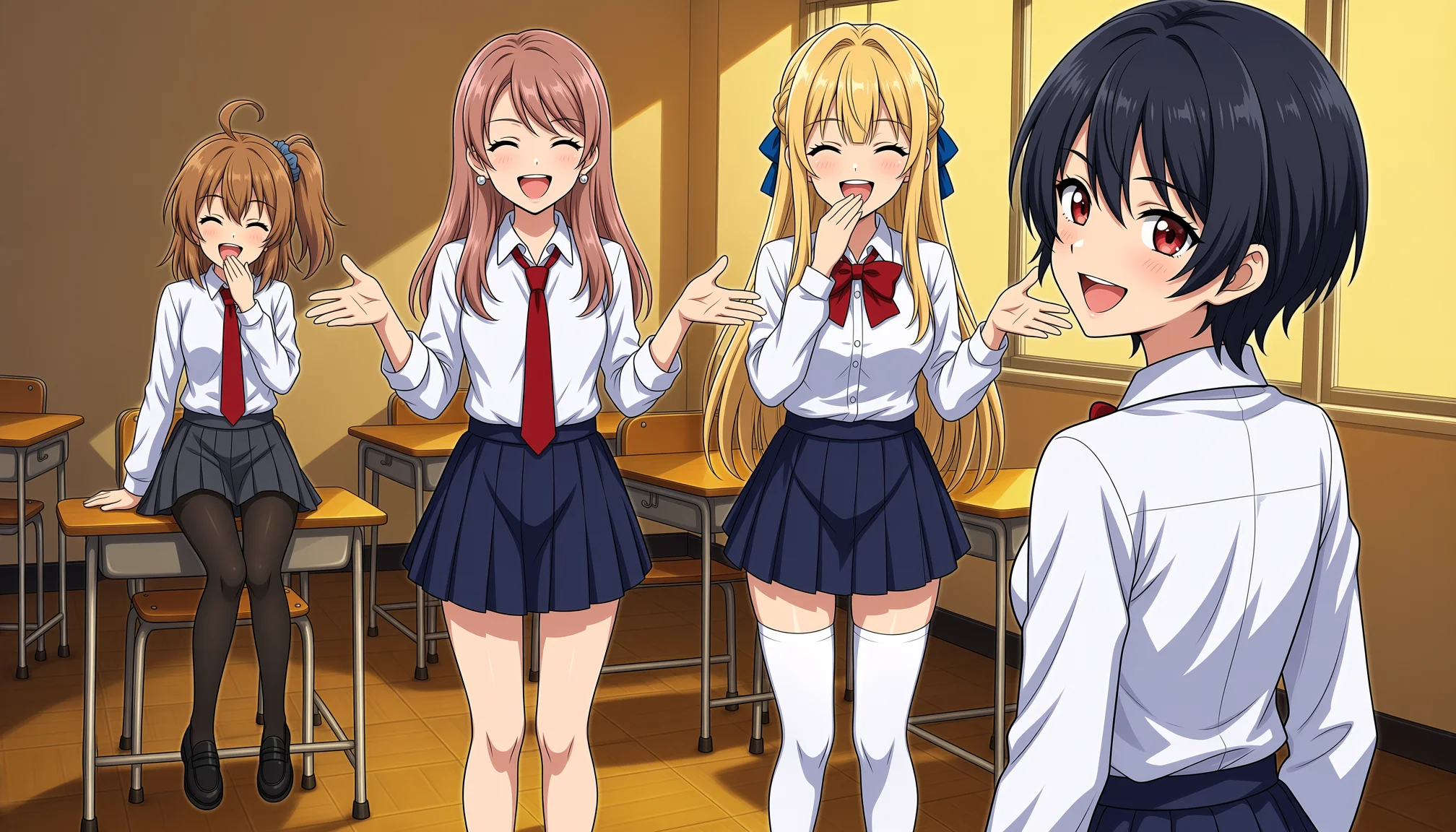
Tested 11 character combos × 3 seeds on Anima-Base: trigger-only prompts passed 3/33, full prompts 8/11, and copying one training-caption phrase fixed the height gap.
Tested on M1 Max 64GB: AnimaLoraToolkit + Anima-Base crashes on torch 2.6.0 (MPS SDPA bug) but runs 300 steps clean on 2.7.1, at ~21 s/step, roughly 9x slower than an RTX 5090.
Muon and SOAP cut final diffusion loss 18% vs AdamW. Mapping that to Anima (Cosmos DiT) and SDXL U-Net LoRA training, plus existing LoRA-Muon research, before writing any code.
Merged a 4th girl with a makeup toggle into one Anima LoRA (518 images, rank256, 21.5h on RTX 5090). Epoch pick vs design bleed, why makeoff fails in multi-girl prompts, 6/6 one-shot.
Tested over 3 bakes on RunPod RTX 5090: a coined subtractive makeoff tag never fires at cfg 1.0, while additive earrings+makeup tags switch both ways with the face unchanged (ep140).
Tested arXiv 2607.01232's layer localization under SFT: Qwen3-4B depth 25/50/75% vs all-layer LoRA, trained on a RunPod 4090. The eval-loss U-shape is real; the rewrites disagree.
Fine-tuned Qwen3-4B on 799 of my own edit pairs, quantized to a 2.3GB GGUF at 38 tok/s on an M4 mini. Eval loss looked fine, but it barely removed slop — and the real fix was feeding paragraphs, not single sentences.
Merged kei, kana, and koharu into a single Anima (Qwen-DiT) LoRA and ran my first training on Blackwell (RTX 5090, sm_120). Hands-on log: the cu128 / torch2.8 / SDPA stack swap from the 4090, why the weakest character gets absorbed (caption asymmetry, not rank), and how trigger-only prompts separate three close-packed characters at ep143 without ControlNet.
Tested on M1 Max ComfyUI: newly free JANIMA vs Hexer Minimal Toon Anima V1 vs anima-base, one character LoRA, same seed. Hexer keeps the outfit; JANIMA adds clothes but draws the quietest backgrounds.