I sent the same Japanese conversation history about connecting an iPad mini to an external monitor to four non-thinking Qwen models (3.7 Plus, 3.7 Max, 3.8 Max, and 3.8 Flash Next) via the ModelScope API to record how they handle corrections and how long they take to respond.
Providing local Qwen3-Embedding-0.6B examples and regex hints boosted Qwen's chat intent classification from 57.5% to 90.0% on 40 synthetic test cases, and a secondary LLM verifier reached 95.0%. Here are the failure modes and gateway constraints.
MOSS-Image takes ~10 minutes per 1024x1024 image on Apple Silicon. Using the 4-step distillation LoRA and HaDeS MOSS Suite, I identified active layers, pruned the LoRA to rank 2 (8.3MB), and merged it into an int8 standalone model generating in ~50 seconds on M1 Max.
Without dedicated character LoRAs for MOSS-Image, I used 4-step MOSS-Image for image-to-image (I2I) translation of Anima-generated character art. Testing typography addition on signs, 1.5x upscaling, and photorealistic transfer on an M1 Max revealed discrete step coarseness in standard denoise and required ManualSigmas.
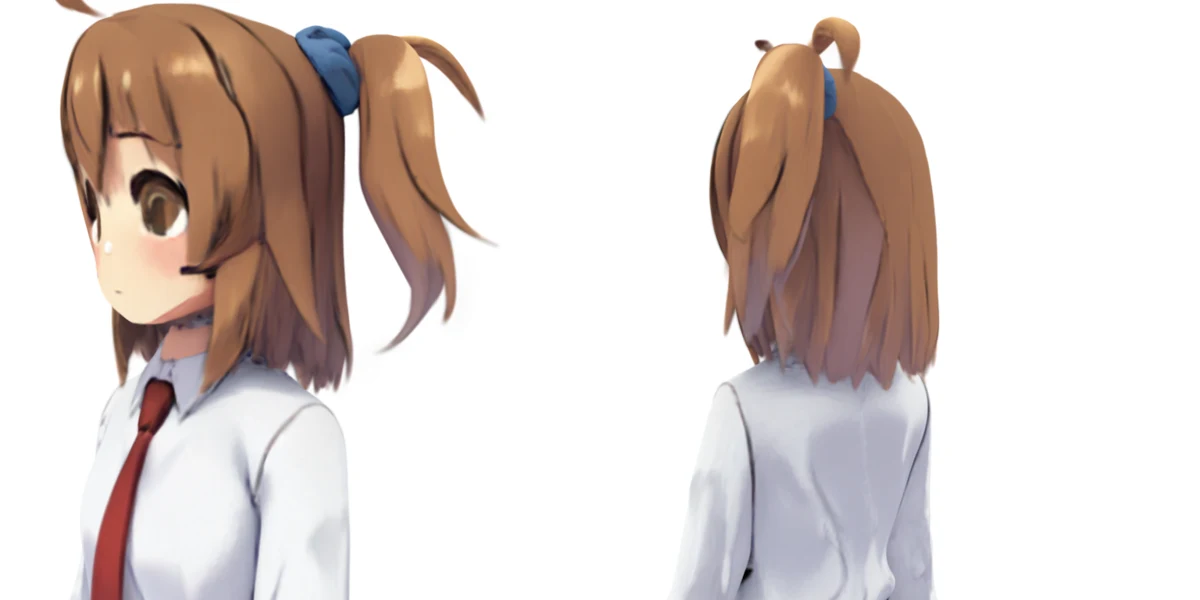
Tested Idol, an image-to-3D Gaussian Splat model requiring an NVIDIA GPU with CUDA, on an Apple M1 Max 64GB using MPS. Evaluated generation times, memory usage, CPU numerical consistency, and visual degradation across demo images, flat anime illustrations, chibi art, and figure-rendered styles. While shaded inputs stabilized body geometry, back-of-head hairstyles remained inconsistent.
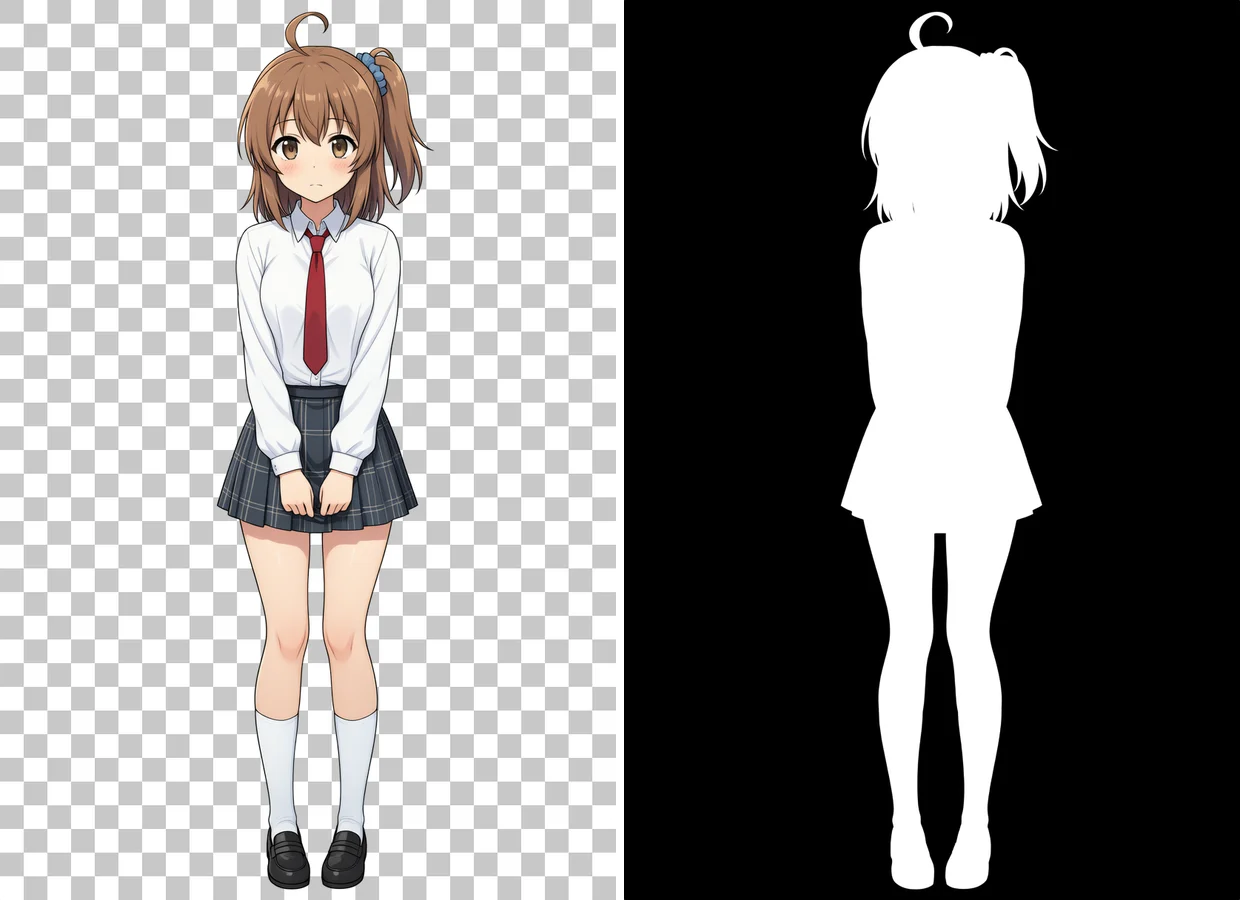
Tested Anima-RGBA (RGBA VAE + LoRA for Anima) on an M1 Max 64GB in ComfyUI. Evaluated 11 visual elements including hair, glass, steam, and veils to see where alpha transparency actually works, plus tests with character LoRA and Turbo LoRA.
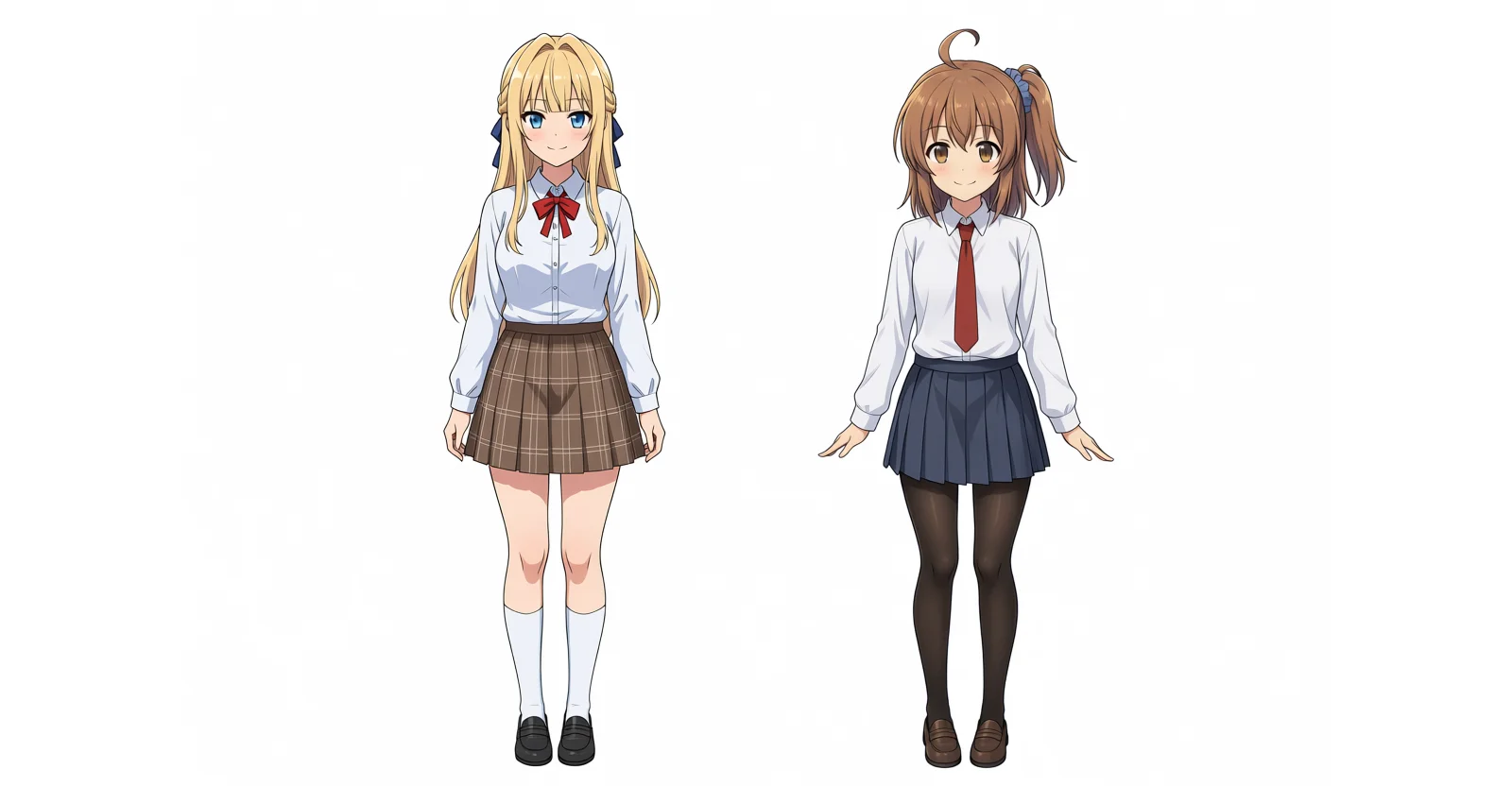
Generated images on ComfyUI (M1 Max 64GB) across One obsession Anima 2B v5.0, Anima 2.9B v2, and Illustrious v24 from the same creator using identical prompts and seeds. Evaluated character LoRA and step adjustments per base, comparing 8 vs 30 steps on v5.0 against official Anima Base/Turbo, stock 2.9B, and WAI-Illustrious v17.
Tested SnapRef v1b for Anima across Base, Aesthetic, Turbo, and 2.9B models on M1 Max 64GB. Checked differences with v1a and FP8, strength, ref_guidance, two characters, multi-reference, 3D pose integration, and known README limits.
The five official Anima setups took about 38 s (Turbo) and 260 s (Base) per image on an M1 Max 64GB. Under the same conditions on an EVO-X2 (Radeon 8060S, ROCm, Windows, ComfyUI), they took about 9 s and 65 s once loaded, and a character LoRA did not change those times.
Tested Anima Ref Adapter on Turbo v1.0, Turbo v1.1, Aesthetic v1.1, and Anima-2.9B using ComfyUI on an M1 Max Mac. Explored what caused the 2x2 grid artifacts on Turbo and how to avoid them.
Benchmarking five local LLM inference engines on an M1 Max 64GB with Qwen3.5-9B. Comparing GGUF and MLX decode throughput, speculative decoding gains (MTP vs DFlash), and concurrent request scaling.
Using Python, NPB records and the MLB Stats API, I put Hideki Matsui's ten Yomiuri Giants seasons and ten MLB seasons on a league-relative OPS+ scale, compared him with Sadaharu Oh, Shigeo Nagashima and later Giants cleanup hitters, and broke down his MLB WAR and pitch-level swing data.