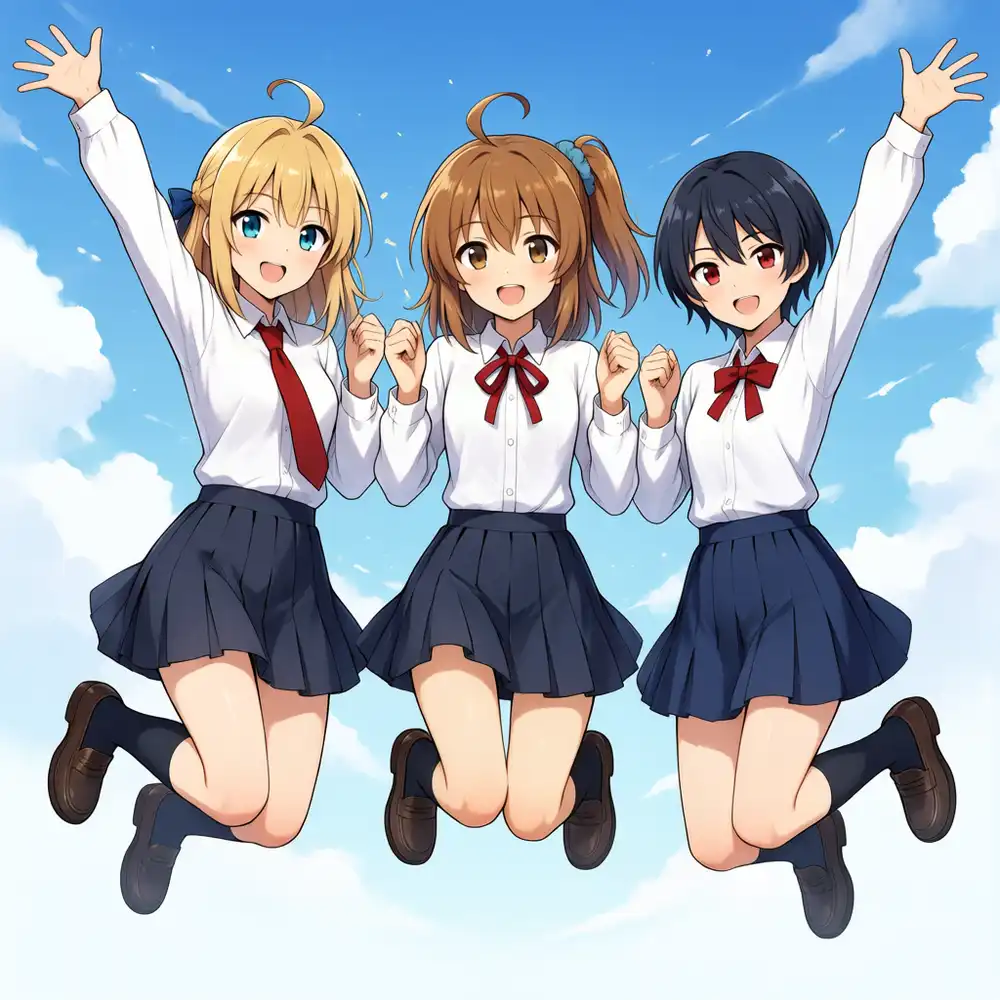
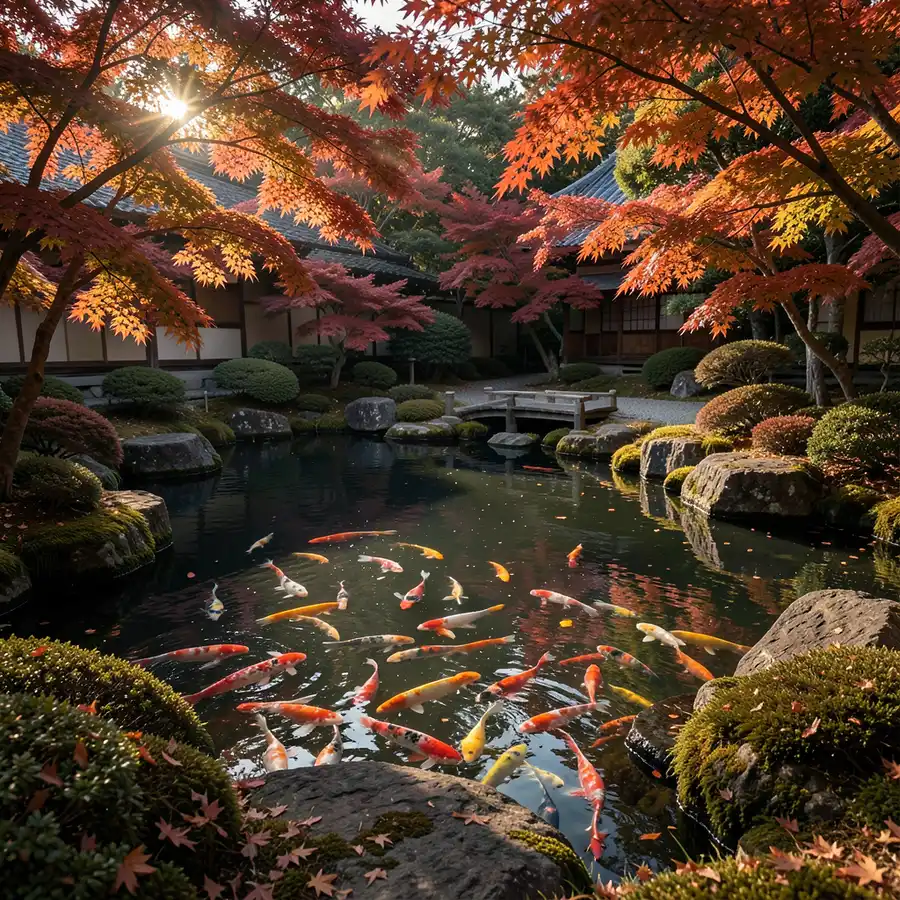
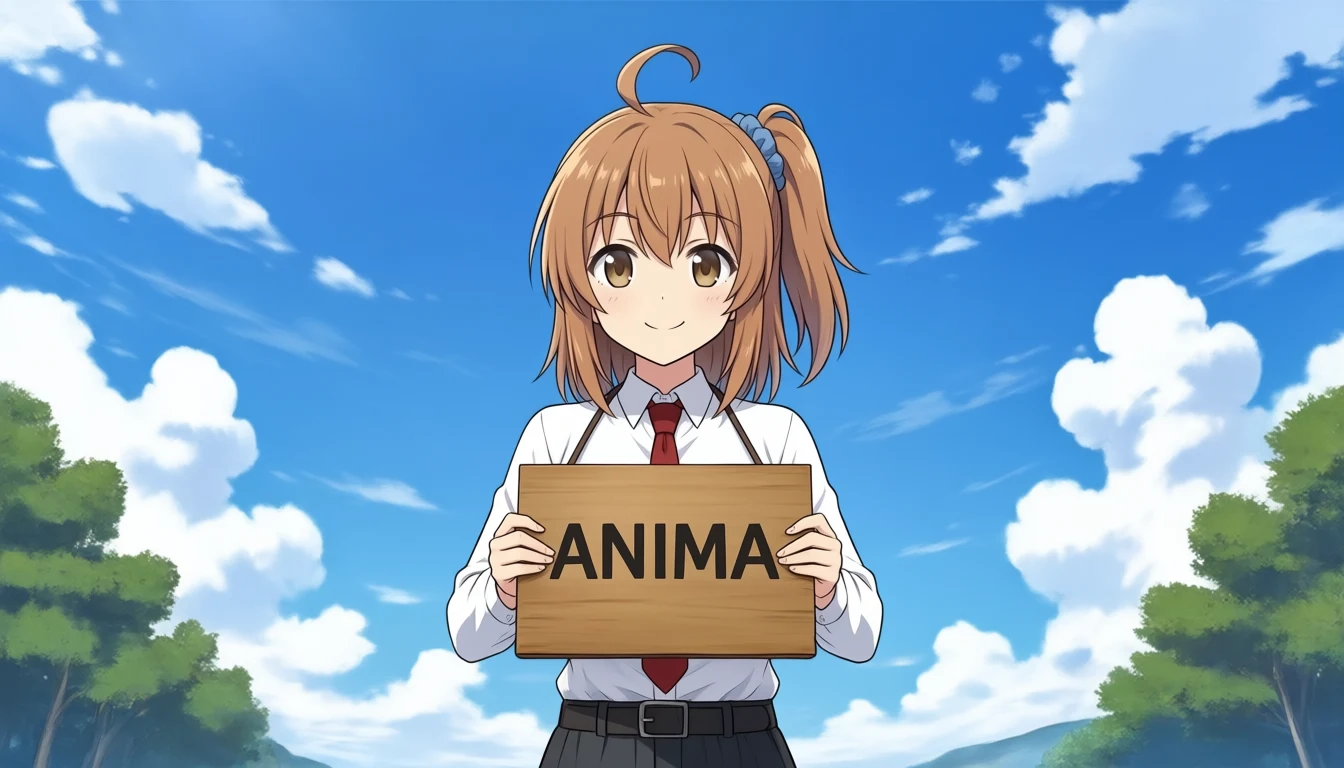
Three LLMs converted the same 10 Japanese scene briefs into Anima (Qwen-DiT) prompts, generated as 60 fixed-seed images on an M1 Max with a merged 3-character LoRA. The Qwen-to-Qwen affinity hypothesis did not survive; a strict formatter brief with character-count locks is what actually moved the results, and two failure modes survive any prompt.
40GB+ VRAM for a 3B model. VBench 85.11 beats dedicated 14B video generators. RunPod GPU costs from $2.2/session. The 'unified' model still ships as two checkpoint files.
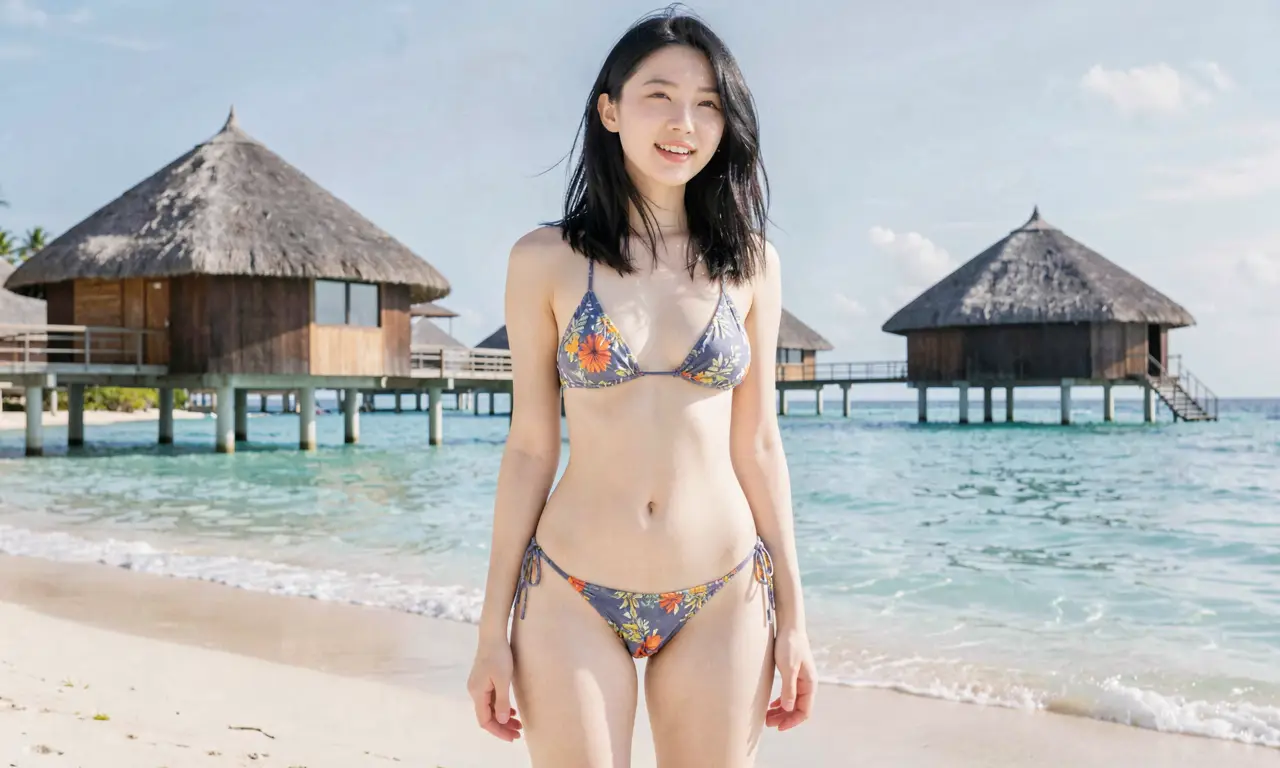
Tested Klein 9B + 9B NSFW LoRA on M1 Max 64GB via mflux 0.17.5: 1m51s/512, 5m37s/1024 q4, 224/224 LoRA keys match, NSFW prompts uncensored, Japanese subjects work with helper tokens.
Klein 4B / 9B / Base LoRAs aren't cross-compatible — a 9B NSFW LoRA throws 'lora key not loaded' on mflux's 4B path. The variant map, what mflux runs today, and where the working hands-on test lives.
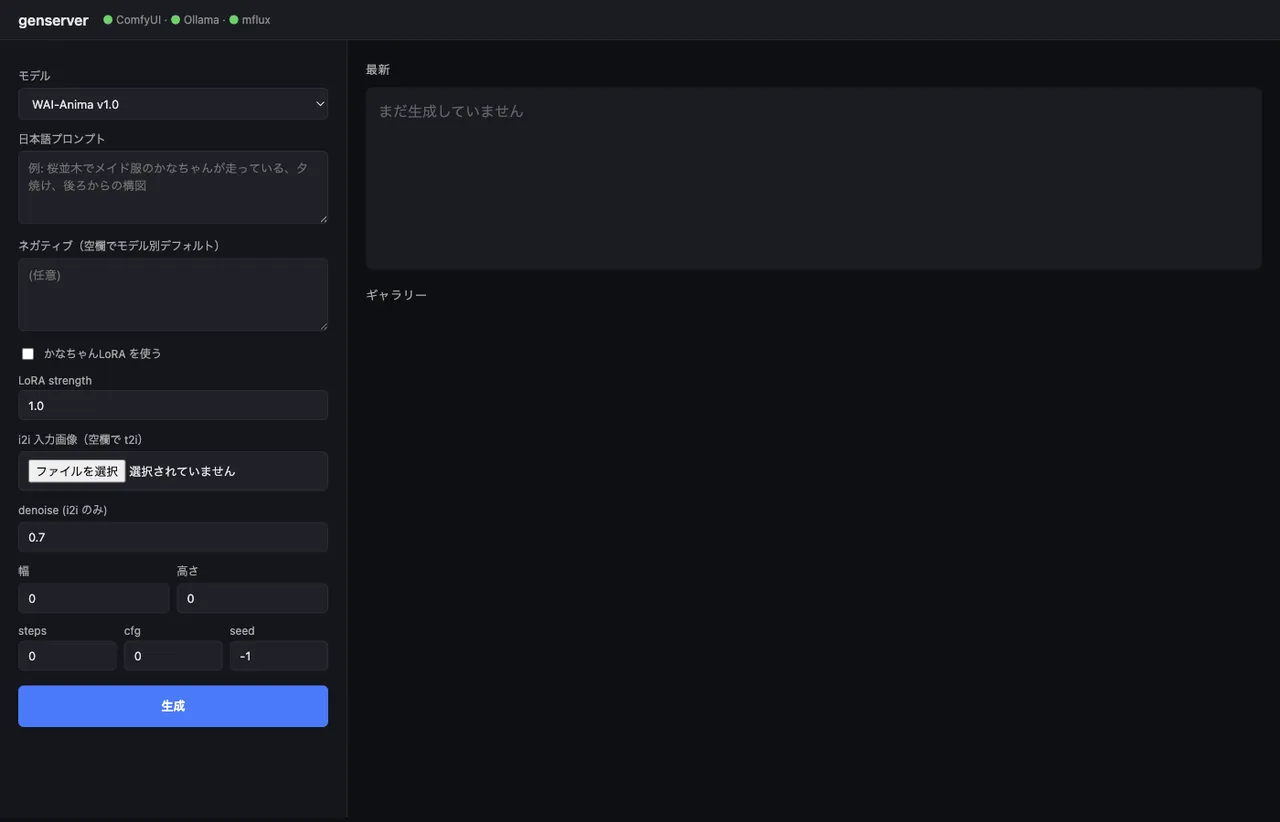
Three local image generation engines (WAI-Anima, WAI-IL/SDXL, FLUX.2 Klein 4B) tied together by a thin FastAPI wrapper that takes Japanese prompts. Ollama (gemma3:12b) handles JP→EN, ComfyUI workflows are built on the fly in Python, FLUX.2 runs as an mflux subprocess, and the whole thing is reachable from an iPhone over Tailscale.
Pruna AI's FP8 speedup needs compute capability 8.9, so Apple Silicon is out. Measured what M1 Max 64GB actually does with MLX-based mflux and antirez's iris.c: install traps, real generation times, and a wrapper kit to skip the setup.
A full fine-tune of Z-Image Base, not a LoRA merge. Working t2i and i2i settings for Base vs Distill on M1 Max 64GB, GGUF options, and what NSFW passes.
A verification log for converting color anime-style AI illustrations to manga-style monochrome. AI re-generation approaches lean to either color leakage or face drift, and pure deterministic local processing looks mechanical. Frames the next directions to try: putting a grayscale-only LoRA on Anima, and using See-through for part decomposition before mechanical composition.
With v3 captions kept as-is and only the training amount pushed up to Anima's official 12,000+ step recommendation, the direction hit rate went 100% at ep150-180, crashed to 0% at ep200, then partially recovered to 67% at ep227 — a non-monotonic curve. 600-720 exposures per training image is the sweet spot; over 800 triggers catastrophic forgetting. Learning rate 2e-5, ~11 hours / $10 of RunPod training plus a sweet-spot epoch scan.
Records of rewriting captions for the 53 training images for the WAI-Anima character LoRA retrain after side ponytail direction control failed last time. Wrote position information into natural language so Qwen3 TE could pick it up, and dropped the IL-era strategy of absorbing the entire hairstyle into the single 'kanachan' trigger by promoting hairstyle to independent Danbooru tags. Includes notes on year tag necessity, the bikini/nude swapped-caption discovery, and blazer color recognition drift.