Traced Gemini's "Do NOT issue search queries to the google search tool" message to a leaked system prompt, plus fixes: new chat, forced search, Saved Info.
Tested Irodori-TTS 500M-v3 on a 4GB RTX 3050 Ti Laptop (Windows): default-voice and zero-shot clone samples, real timings, and the FFmpeg DLL fix for MP3 references.
1,560 edit pairs mined from Claude Code logs, 622 posts scanned with Sonnet, ModernBERT-ja-130m trained on a 16GB M4 Mac mini: zero false positives, 60% recall.
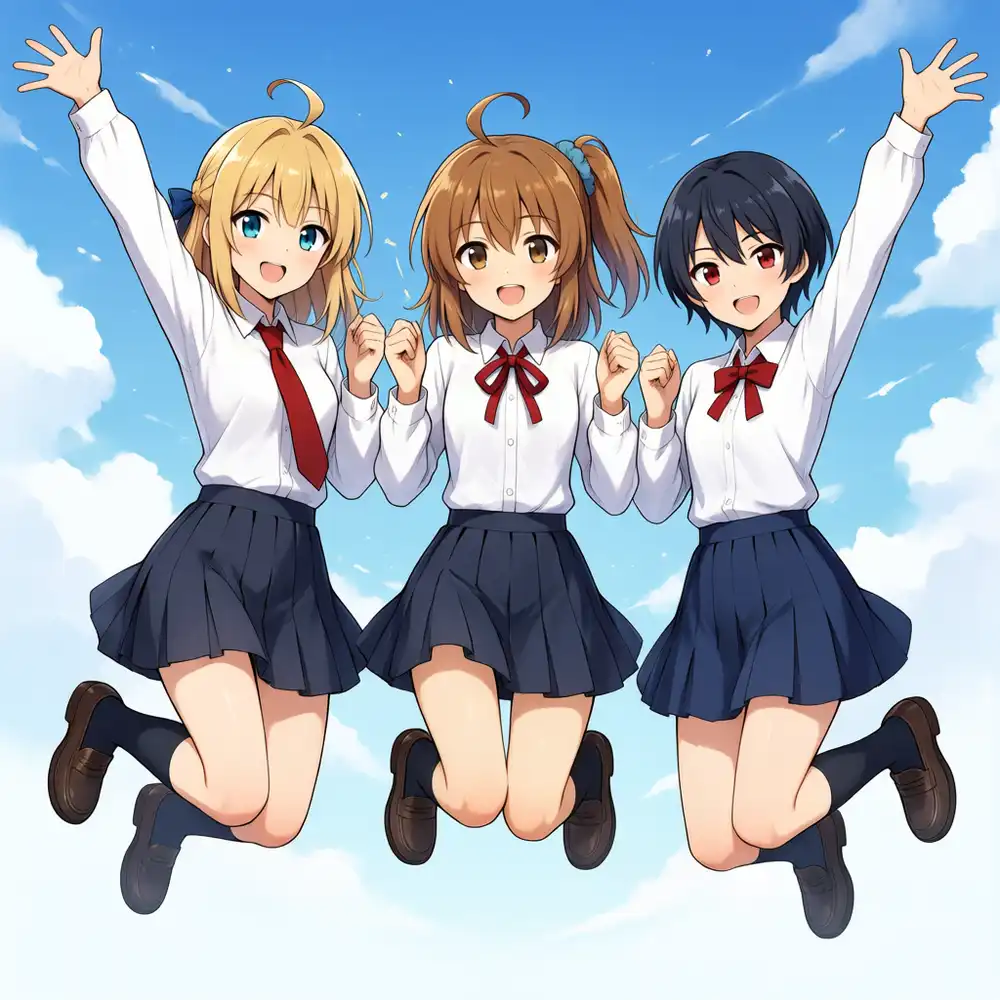
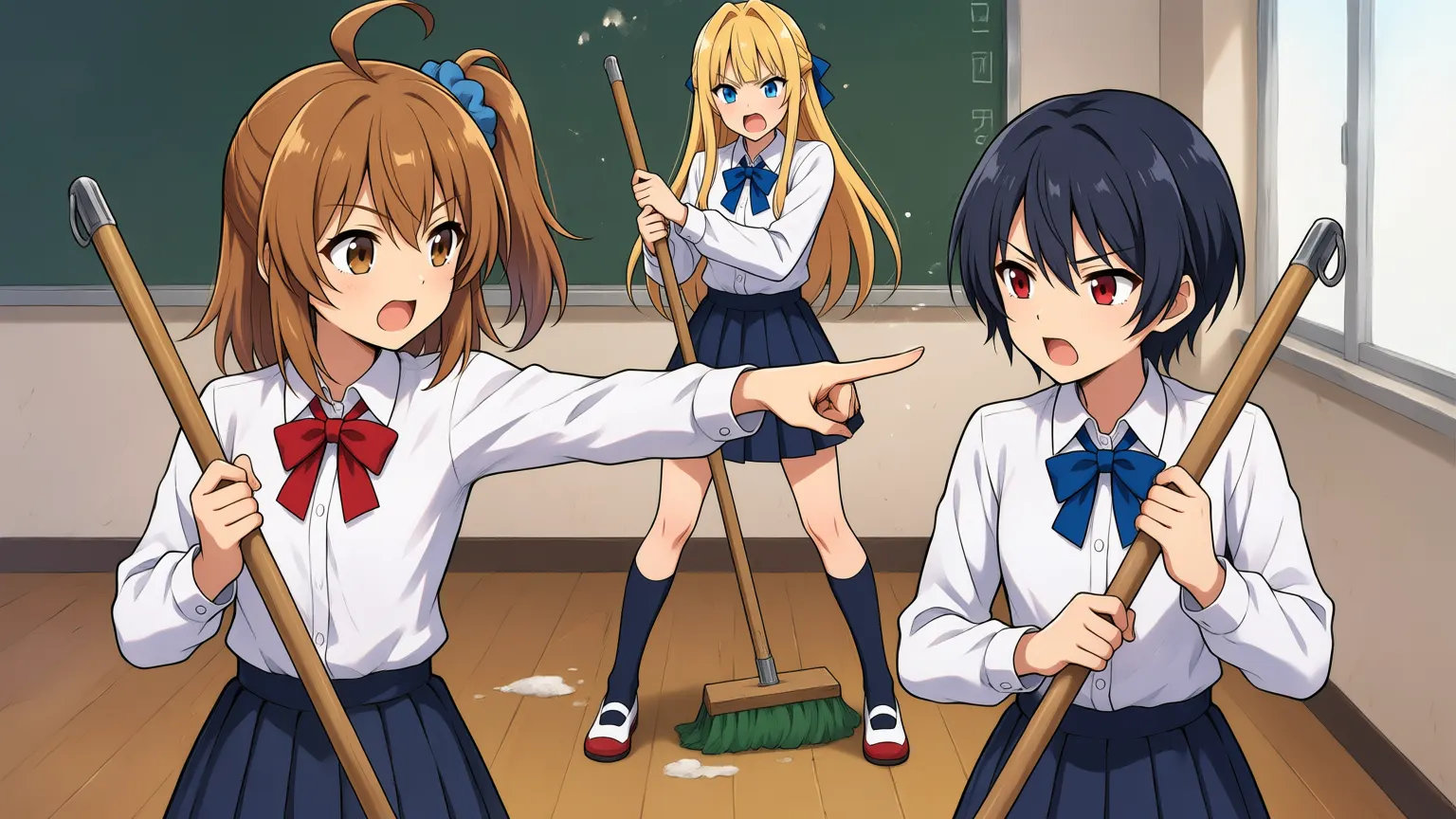
Three LLMs converted the same 10 Japanese scene briefs into Anima (Qwen-DiT) prompts, generated as 60 fixed-seed images on an M1 Max with a merged 3-character LoRA. The Qwen-to-Qwen affinity hypothesis did not survive; a strict formatter brief with character-count locks is what actually moved the results, and two failure modes survive any prompt.
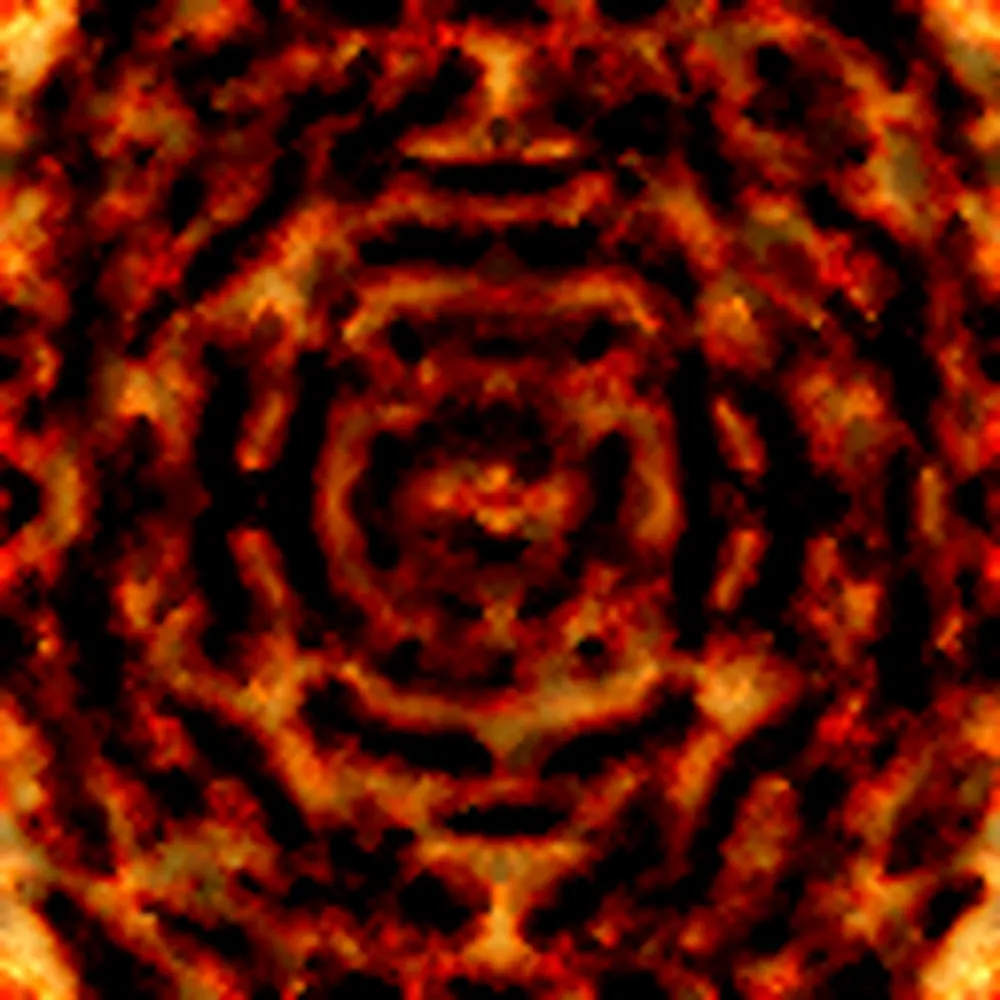
Tested on an M1 Max, NumPy only: Qwen maps a prompt to a JSON of knobs, and a 2D Kuramoto oscillator field renders it. No objects, but composition, color, and motion change with the prompt.
Un-0 swaps neural-net weighted sums for Kuramoto coupled-oscillator physics, hitting FID 6.74 on ImageNet-64. Still GPU-simulated, and the 1000x energy claim is unproven — no chip yet.
Fujitsu's PHOTON claims up to 475x over Transformers, but that's tokens/s/GiB (multi-query memory throughput), not faster single responses. What the 1.2B paper tables, the quality drop, and 9-query integration really show.
Merged kei, kana, and koharu into a single Anima (Qwen-DiT) LoRA and ran my first training on Blackwell (RTX 5090, sm_120). Hands-on log: the cu128 / torch2.8 / SDPA stack swap from the 4090, why the weakest character gets absorbed (caption asymmetry, not rank), and how trigger-only prompts separate three close-packed characters at ep143 without ControlNet.
Tested local Wan video gen on a Radeon 8060S (Strix Halo, 48GB UMA, Windows). ZLUDA can't run stock PyTorch; AMD's TheRock gfx1151 wheel gives native ROCm. FastWan 1.3B in 4min, Wan 14B I2V in 13.6min — VAE decode and 16GB-RAM Segfaults are the real limits.
Tested FramePack F1 on an RTX 4060 Laptop (8GB VRAM, 32GB RAM): VRAM peaked at 5.75GB, but the 26GB model overflowed RAM into the pagefile and a 5s clip took 56 min. The real bottleneck for local video gen on a laptop is RAM, not VRAM.
Krea 2 Turbo bf16 renders in ~3.5 min on a Mac (M1 Max 64GB, ComfyUI). fp8 is rejected on MPS, Raw NaNs to black at 47 min, and NSFW behavior gets tested. Working settings and VRAM notes for Apple Silicon.
Sakana Fugu trains no base model: a learned conductor routes GPT-5.5/Claude/Gemini. How it compares to PLaMo (scratch, closed) and LLM-jp (fully open), how it differs from OpenRouter, and its biggest risk.