Tested Irodori-TTS 500M-v3 on a 4GB RTX 3050 Ti Laptop (Windows): default-voice and zero-shot clone samples, real timings, and the FFmpeg DLL fix for MP3 references.
1,560 edit pairs mined from Claude Code logs, 622 posts scanned with Sonnet, ModernBERT-ja-130m trained on a 16GB M4 Mac mini: zero false positives, 60% recall.
RFC 10008 makes QUERY a safe, idempotent HTTP method with a body. What it fixes over POST /search, how cache keys work, plus fetch, PHP, and Node.js handlers.
JFrog found 6 npm packages posing as Rollup polyfills. They install a second-stage package via CJS require(), not postinstall, then pull a RAT through JSONKeeper.
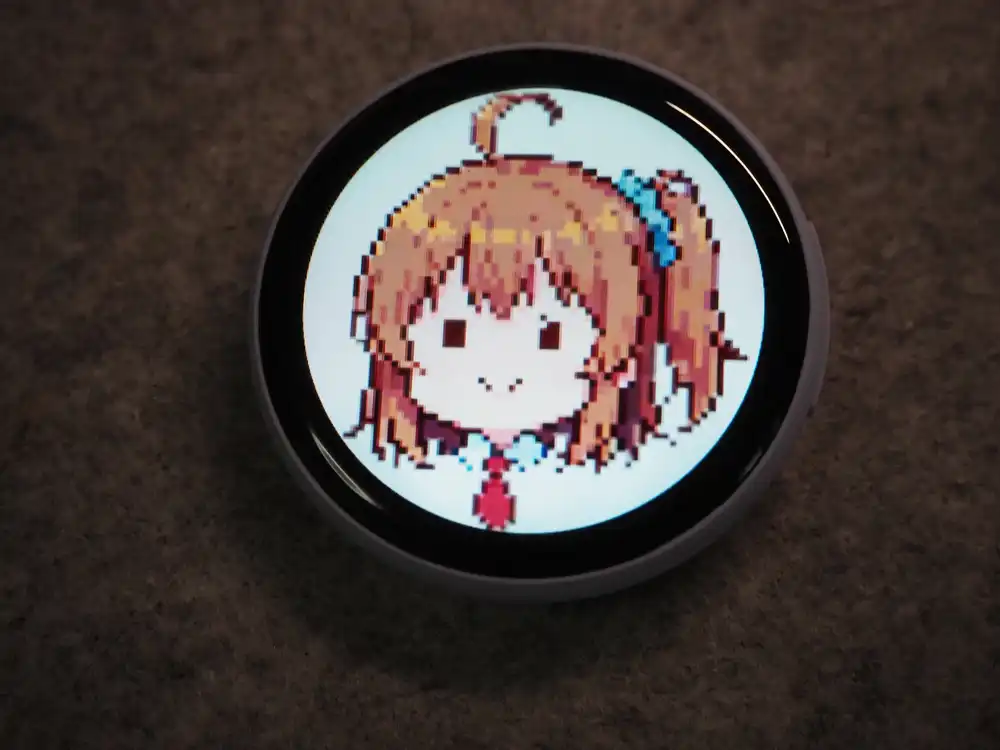
Controlled a Beambox Niji Badge over BLE from Windows without the official app. Sending a raw JPEG just produced a black screen — the fix was a custom binary container and a different command type than expected.
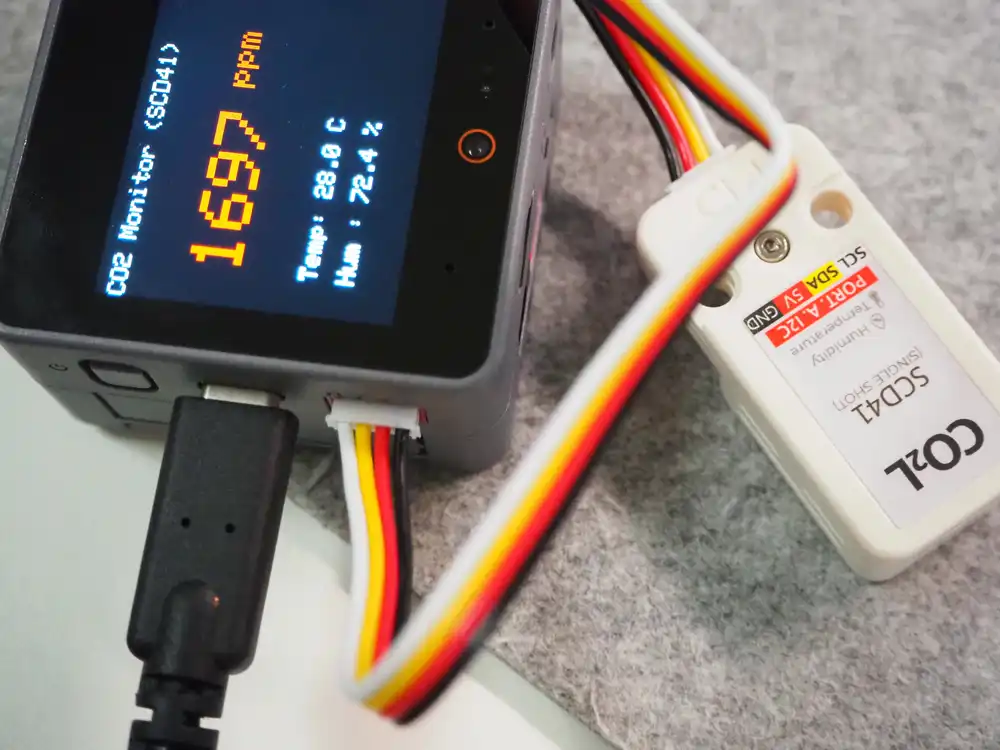
Wired M5Stack's CO2L Unit (SCD41) to a CoreS3 over Grove and put CO2/temp/humidity on screen. The factory-fresh sensor read +30% high against a SwitchBot NDIR meter, so I ran FRC over a serial command to pull it in line.
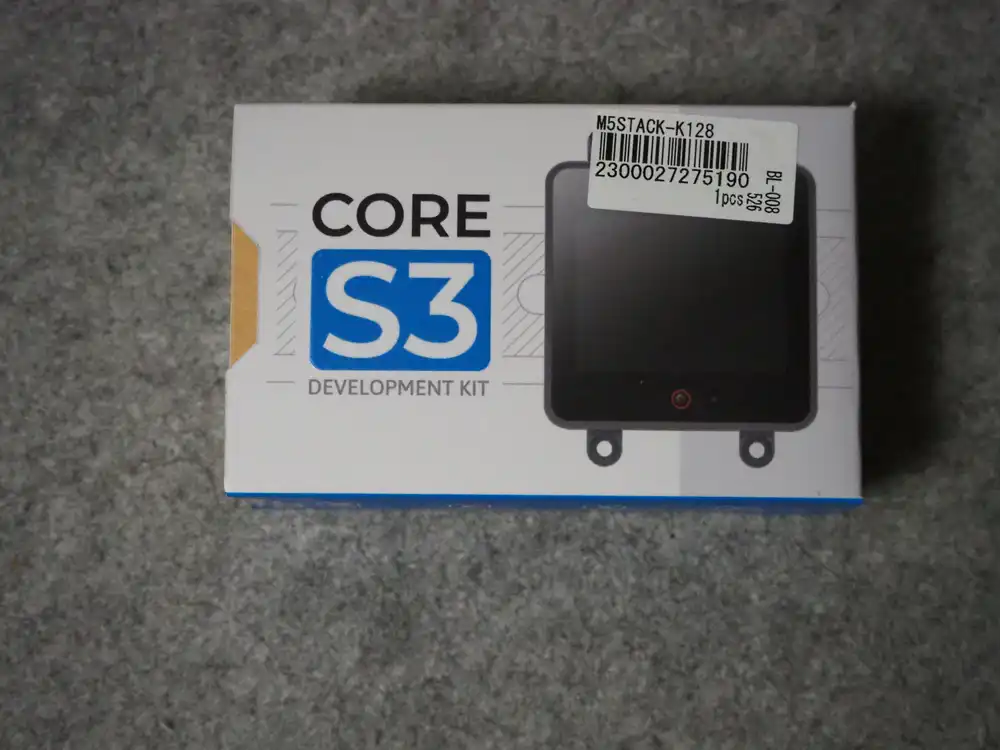
A brand-new CoreS3 failed with 'SD Card initialization failed!' on the stock firmware. Tested two LAZOS cards: the 16GB never mounts at any SPI clock, the 32GB mounts but only writes at 10MHz, and a soft reset wedges the card until power-off.
Three LLMs converted the same 10 Japanese scene briefs into Anima (Qwen-DiT) prompts, generated as 60 fixed-seed images on an M1 Max with a merged 3-character LoRA. The Qwen-to-Qwen affinity hypothesis did not survive; a strict formatter brief with character-count locks is what actually moved the results, and two failure modes survive any prompt.
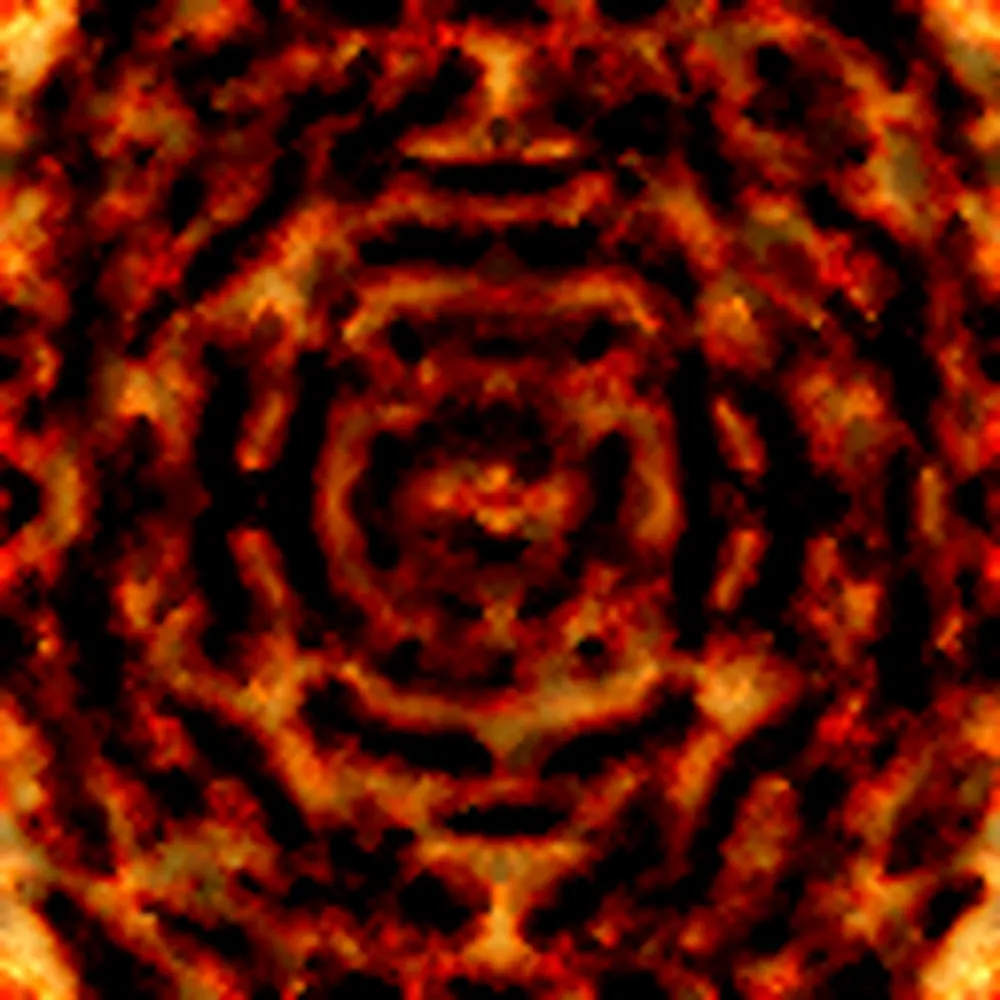
Tested on an M1 Max, NumPy only: Qwen maps a prompt to a JSON of knobs, and a 2D Kuramoto oscillator field renders it. No objects, but composition, color, and motion change with the prompt.
Tested Astro 6→7 on a 1,558-post blog: keeping remark/rehype past Sätteri with @astrojs/markdown-remark, the @astrojs/vercel v11 bump, and a middleware TS1543/esbuild import-attribute trap.
Un-0 swaps neural-net weighted sums for Kuramoto coupled-oscillator physics, hitting FID 6.74 on ImageNet-64. Still GPU-simulated, and the 1000x energy claim is unproven — no chip yet.
Fujitsu's PHOTON claims up to 475x over Transformers, but that's tokens/s/GiB (multi-query memory throughput), not faster single responses. What the 1.2B paper tables, the quality drop, and 9-query integration really show.