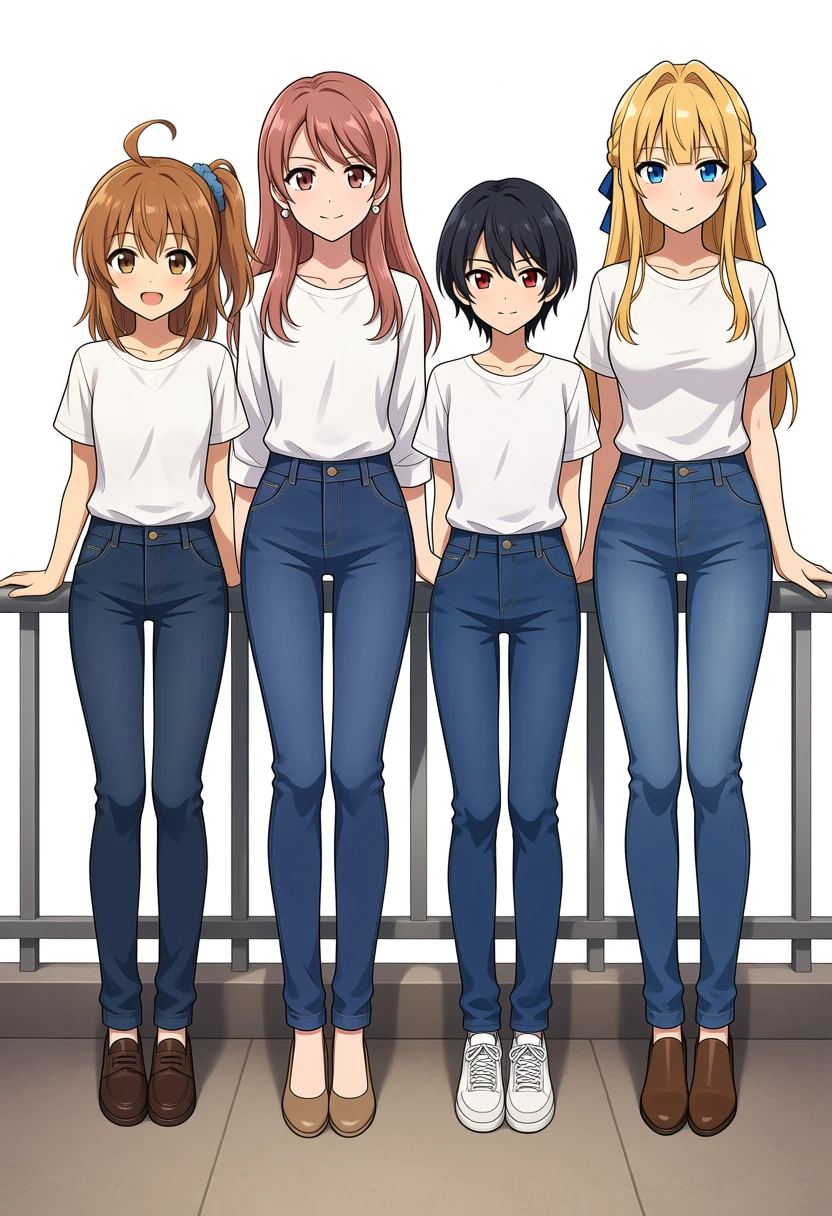
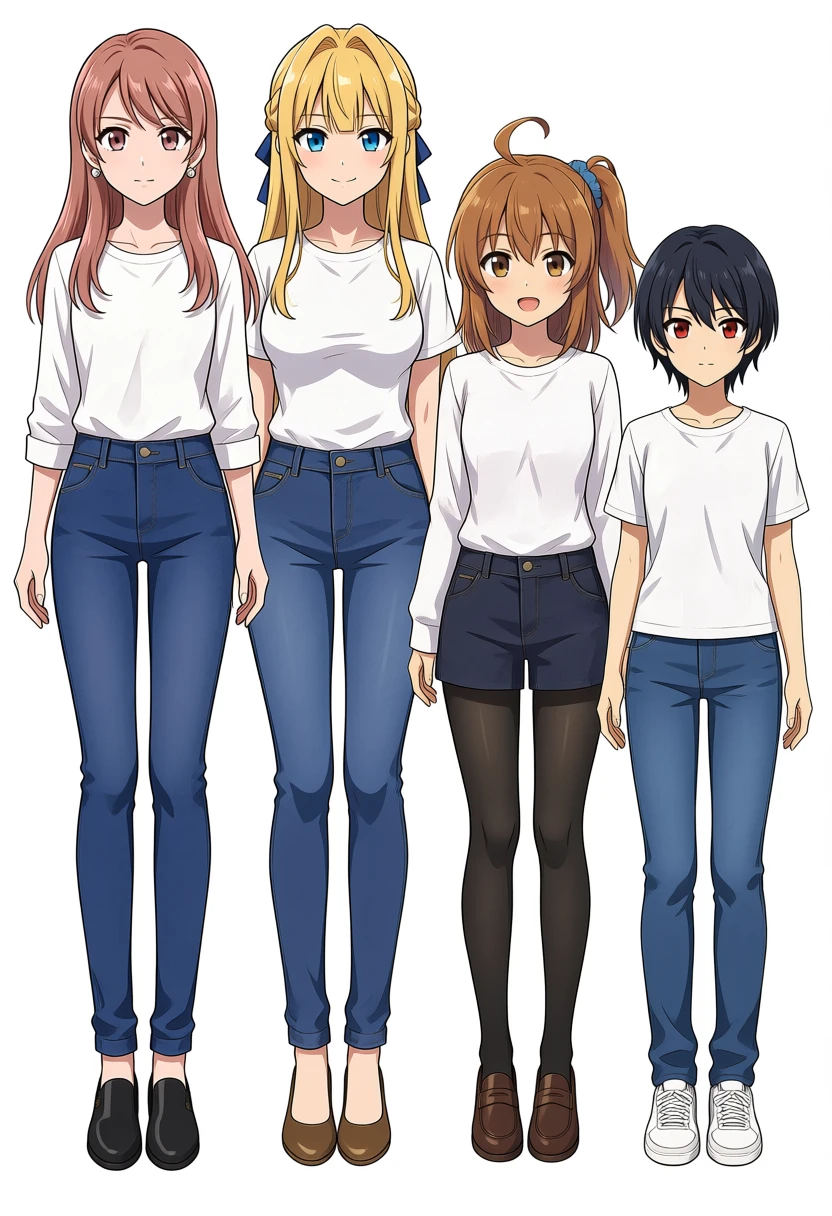
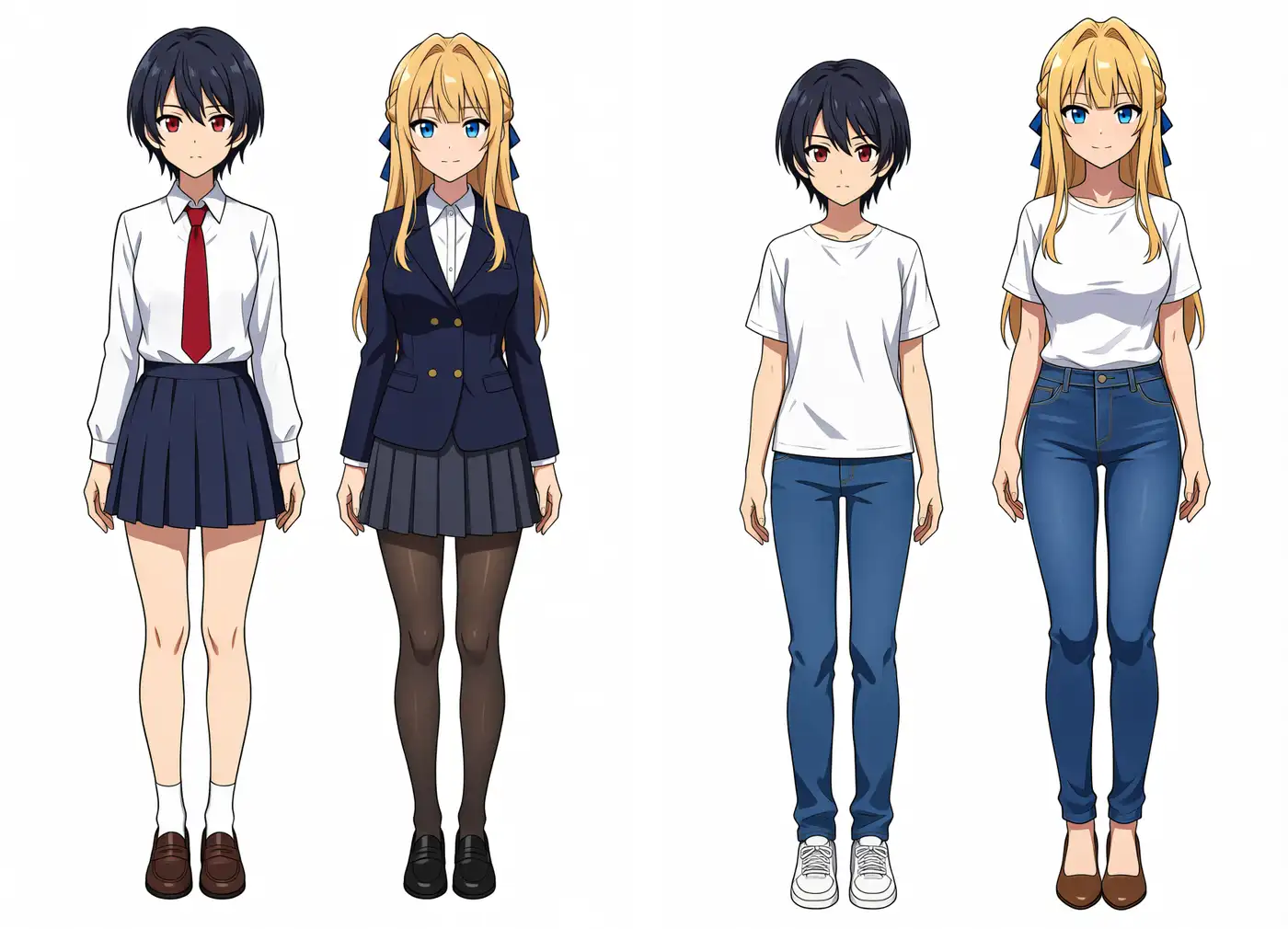
Tested on M4 Mac mini ComfyUI: with identical Qwen3-0.6B/T5 conditioning, the black tights land on the wrong girl only when the 4-char LoRA's DiT half is applied.
Tested on M4 Mac mini ComfyUI: 8 on/off combos of three actions × 3 seeds on a 4-character Anima LoRA. Roles read at 3/3, but hands and skirts landed on the wrong girl.
Tested on M1 Max 64GB: a 50M resampler predicts Anima's 4-char conditioning from short triggers. Train fits at cos distance 0.005, held-out order breaks; template P3 goes 15/16.
Tested on Anima-Base v1.0: no prompt hit the 512-token cap, cosine similarity moved the wrong way, and only the DiT-side conditioning changed who got drawn.
Tested 11 character combos × 3 seeds on Anima-Base: trigger-only prompts passed 3/33, full prompts 8/11, and copying one training-caption phrase fixed the height gap.
54 of 55 advisories from one GitHub account were fabricated, likely by AI. How six fake SQLite CVEs passed MITRE and NVD unchecked, and why scanner hits for them are false positives.
Tested on M1 Max 64GB: SeFi-Image turbo runs on MPS in bf16 at 13–47s/image; fake text and face artifacts only clear up on 5B RL at 50 steps, 18 min/image.
Measured on M1 Max 64GB: weight-only INT8 runs 41% slower than fp16, a hand-written Metal int8 GEMM 15.6x slower, MPSMatrix int8 3x, and MLX 8-bit 9% slower.
Tested on M1 Max 64GB ComfyUI: v0.24.1 fails to load int8_tensorwise, v0.30.1 hits the missing aten::_int_mm MPS kernel, and a dequantize patch runs slower than bf16.
Tested on M1 Max 64GB: AnimaLoraToolkit + Anima-Base crashes on torch 2.6.0 (MPS SDPA bug) but runs 300 steps clean on 2.7.1, at ~21 s/step, roughly 9x slower than an RTX 5090.
Muon and SOAP cut final diffusion loss 18% vs AdamW. Mapping that to Anima (Cosmos DiT) and SDXL U-Net LoRA training, plus existing LoRA-Muon research, before writing any code.