Self-patching on Qwen2.5 and Llama3 shows fine-tuned facts stall outside the mid layers; moving one hidden state lifts 2-hop reasoning from 0.078 to 0.793 (arXiv 2607.08393).
IEEE S&P 2026 study of 2.7M arXiv submissions: 265 API tokens, 7,326 GPS-tagged papers, 699 editable Google Docs, and why withdrawn versions stay online.
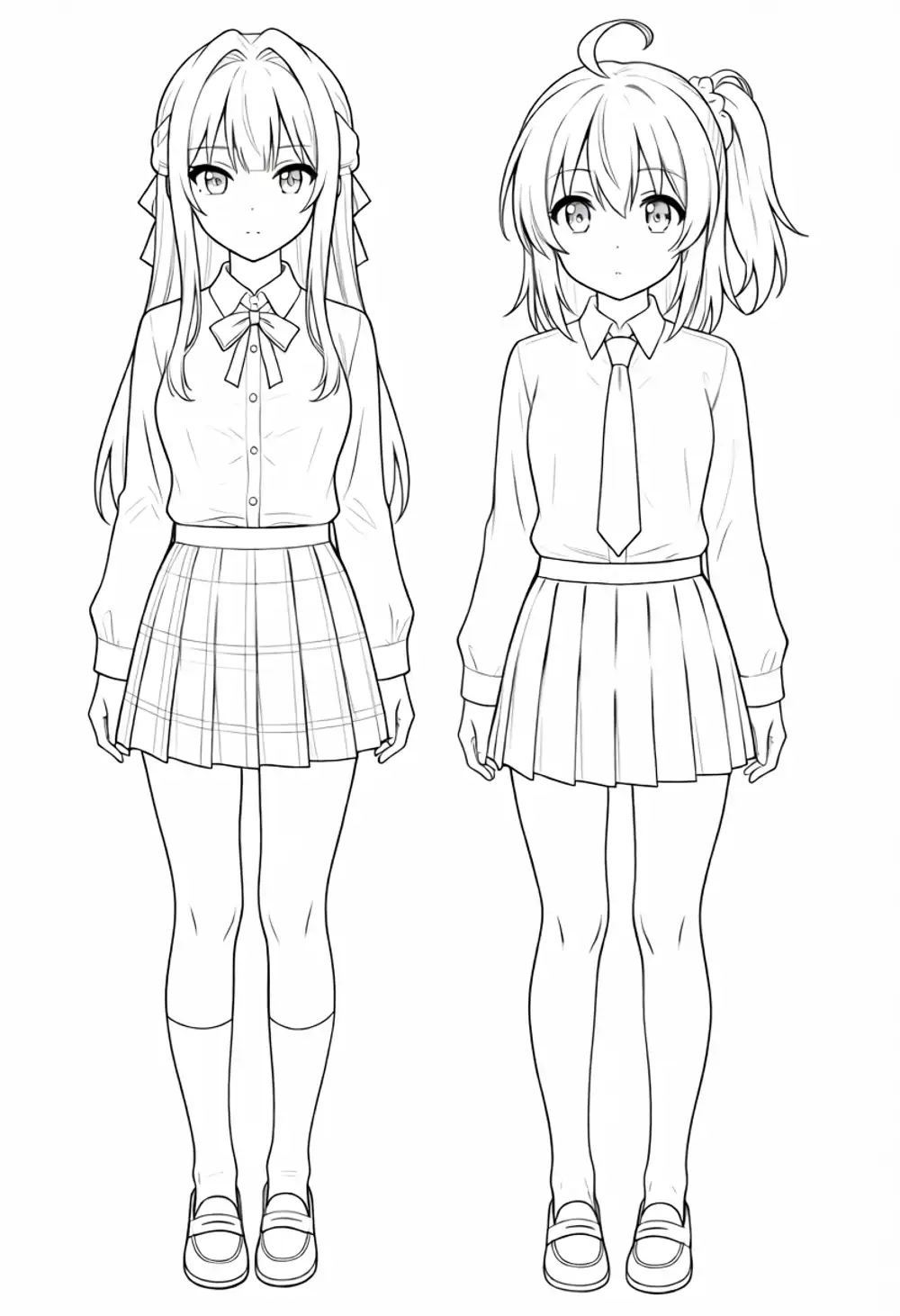
Merged a 4th girl with a makeup toggle into one Anima LoRA (518 images, rank256, 21.5h on RTX 5090). Epoch pick vs design bleed, why makeoff fails in multi-girl prompts, 6/6 one-shot.
pgrust rewrote Postgres 18.3 in Rust with AI and passed 46,000 regression tests, yet pgbench runs 9x slower and SQLsmith found a segfault in days. Plus Andrew Kelley vs the Bun Rust rewrite, the same day on HN.
Tested over 3 bakes on RunPod RTX 5090: a coined subtractive makeoff tag never fires at cfg 1.0, while additive earrings+makeup tags switch both ways with the face unchanged (ep140).
Tested on release day: drizzle-orm 3.9x, Effect 5.3x, lobe-chat 7.3x, the tsconfig hard errors, why --checkers 8 backfired on 16GB, and why Vue can't use TS7 yet
Fitted Anthropic's jacobian-lens on Qwen3-4B-Instruct-2507 (4090, 51 min, ~1 USD), then read a layer-swapped SFT corrector: outputs pass through while hidden states diverge to cos 0.88.
Tested arXiv 2607.01232's layer localization under SFT: Qwen3-4B depth 25/50/75% vs all-layer LoRA, trained on a RunPod 4090. The eval-loss U-shape is real; the rewrites disagree.
Swap 'spider' for 'ant' in Claude's mid-layers and 8 legs becomes 6. Anthropic's global workspace paper, the J-lens readout, eval-awareness detection, and its limits.
RL gains sit at 40-60% depth: on Qwen3-8B, training only layer 16 beats full-parameter RL (67.1 vs 66.5). Notes on arXiv 2607.01232 and what it doesn't claim about efficiency.
Measured on M1 Max ComfyUI: QIE 2511's pixel shift comes from the encode node's forced 1MP rescale. Stock ReferenceLatent fixes it; expression, outfit and pose diffs tested.