Ryzen 7 5800HS test before StackChan: subject-less memories got claimed by the character, a 0.45 cosine threshold flipped on a comma, and ModelScope's embedding API vanished mid-test.
Qwen3-Embedding-0.6B on CPU vs ModelScope's API on a Ryzen 7 5800HS voice server. Local embedding adds up to +2.6s per voice turn by competing for CPU; the API adds none.
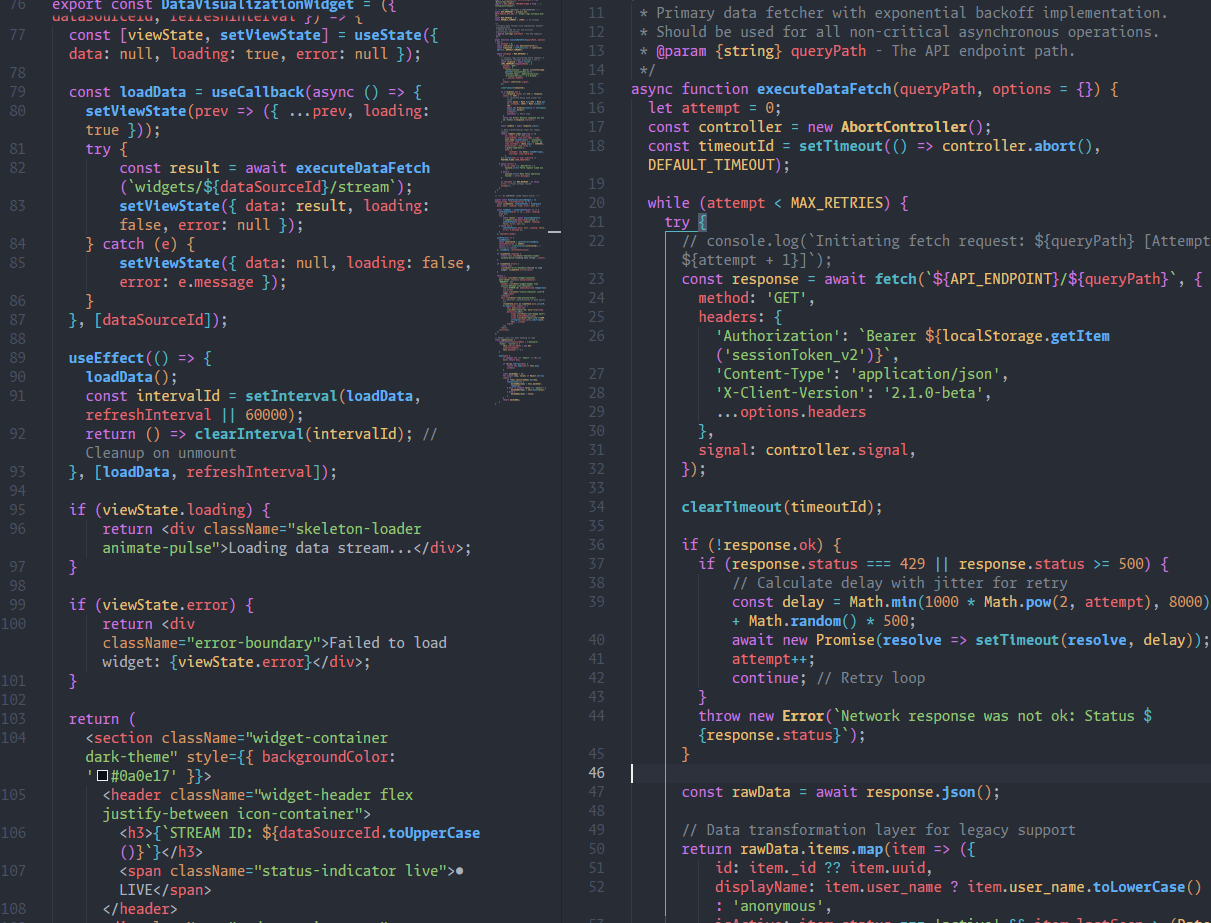
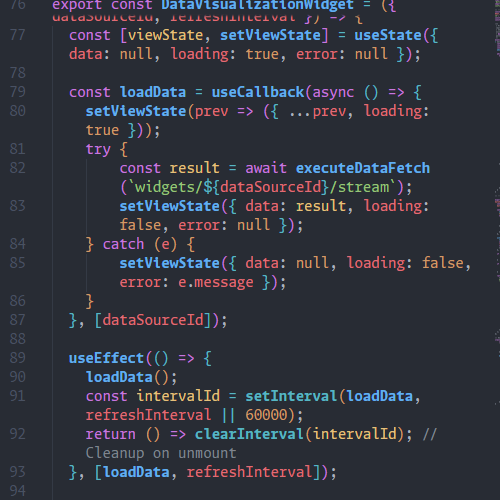
Tested Qwen3-Embedding-0.6B on CPU and Qdrant's local mode, then checked the 1.5-1.7GB RAM footprint against a Ryzen 7 5800HS voice server with only 4GB VRAM.
Tested on M1 Max 64GB with plain Anima-Base v1.0. A red-to-blue residual direction added to one of Blocks 24-27 flips a flat image, but on a hair mask it paints a blue slab. No hair-only direction found.
Codex on Astra hit the weekly usage cap in under 12 hours. Fixes: 120s minimum wait in multi_agent_v2, an 8-field JSON receipt between agents, Astra demoted to advisor, Sol high on top.
A pre-implementation design for adding Qwen3-Embedding and Qdrant memory to an RTX 3050 Ti and CoreS3 voice-chat stack without depending on StackChanWorld's API. It keeps raw logs, searchable memory, persona, and body separate.
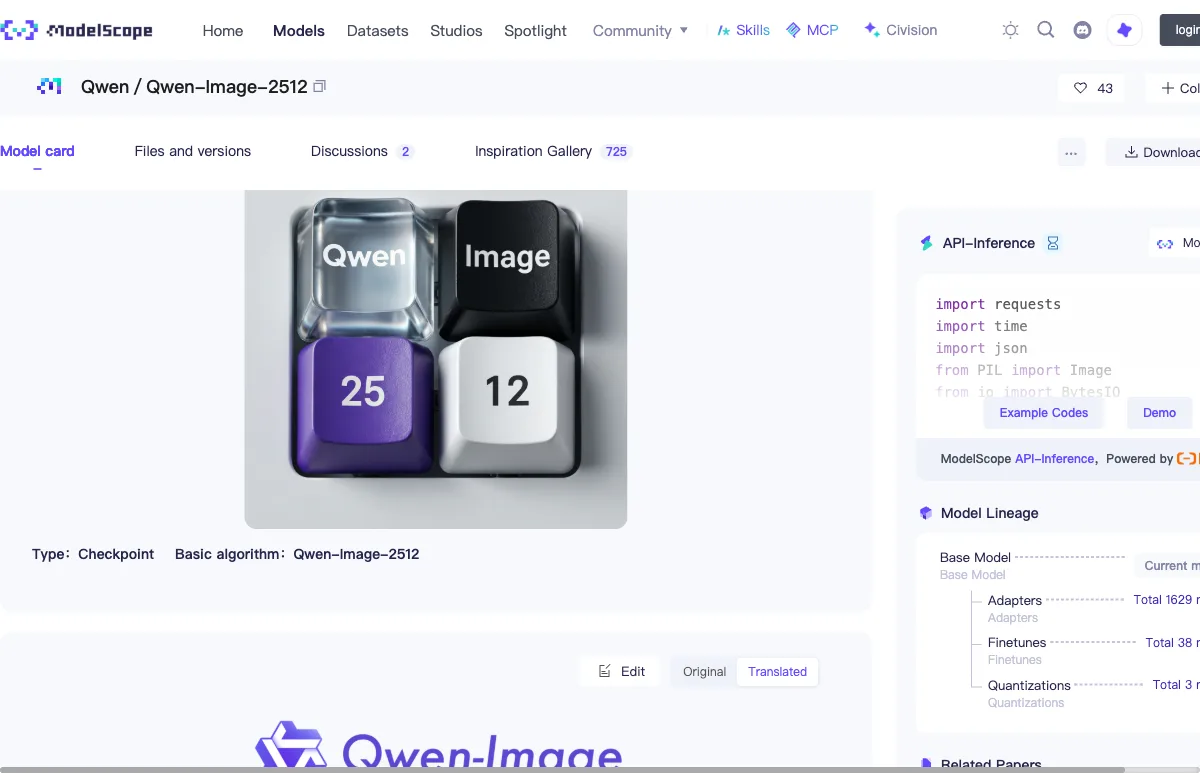
My ModelScope account switched from a monthly API-Inference quota to Magicube coins, so I measured what each call costs. Qwen-Image, Z-Image, Krea-2-Turbo and FLUX worked even though none of them appeared in the /v1/models list I got; of the embedding IDs I tried only Qwen3-Embedding went through; audio paths were 404 and Wan produced no video. In these tests 400s and 404s cost nothing, while a 200 with an empty body was charged.
862-bit RSA-260 fell on September 3, 2026 after 35 years. I verified the posted factor in Python on an M4 Mac mini, traced the viral 'seven months by hand' story to a joke, and sized the compute from RSA-250's 2,700 core-years with the GNFS formula.
One 248 keV nuclear recoil in 2.84 tonne-years, global 2.6σ (0.5% background probability), and five arXiv papers within two hours, three landing on a roughly 1 to 1.1 TeV higgsino. What LZ ruled in and out, from the preprint.
Science Advances 2026: 1,419,857 single-photon paths reconstructed to test Feynman's 1948 postulates directly. Explained with arrows from energy conservation and the double slit, down to what 94% fidelity means.
McCoy, Soulos, Linzen and Smolensky swap every GPT-OSS input-token hidden state for a closed-form tensor product formula; accuracy drops at most 2.36 points and 31 causal interventions average 0.903.
LEWM predicts a 7-class emotion label for the human on screen, not a state of its own. Its 45.72% is a cosine-similarity delta vs WorldGPT, and 'self-aware' never appears in the paper.